



Process optimization: What it is, how it works, and real-world examples
Process optimization has become a strategic priority for organizations looking to boost performance and remain competitive in increasingly demanding markets. By evaluating how work is carried out, companies can uncover inefficiencies, lower operating costs, and deliver better products and services. At the same time, technologies such as automation and artificial intelligence (AI) have expanded the possibilities for improvement, helping businesses achieve productivity levels that were once difficult to attain.
In this post, we break down process optimization, its benefits, and the steps involved in implementing it. We’ll also examine the software that supports it, along with some real-world examples across logistics and industry.
What is process optimization?
Process optimization is the practice of reviewing and refining procedures, workflows, and systems within an organization to increase operational efficiency and performance. By identifying bottlenecks and opportunities for improvement, companies can shorten lead times, control expenses, and enhance the quality of their products and services.
Within organizations, business process optimization is part of business process management, a discipline focused on understanding, managing, and improving how work gets done. To put this in practice, companies often adopt lean and agile methodologies, which emphasize waste reduction, adaptability, and value creation.
Benefits of process optimization
Process optimization directly influences growth and competitiveness. According to McKinsey, organizations that enhance their processes end to end can boost efficiency, accelerate outcomes, and create value across the enterprise. Below are the most significant benefits:
- Better resource allocation. Well-designed processes enable companies to make more effective use of personnel, equipment, and capital, raising productivity.
- Higher quality. Fewer manual interventions, inconsistencies, and errors contribute to more reliable products and services.
- Scalability. Well-structured operations provide a solid foundation for growth without compromising service levels or product quality.
- Customer focus. Clearly defined procedures make it easier to respond to customer needs and deliver more personalized experiences.
- Greater flexibility. Organizations with optimized processes can pivot more quickly to market shifts, new technologies, and changing consumer expectations.
- Continuous improvement. A culture that empowers teams to proactively seek opportunities for refinement promotes continuous improvement, in line with philosophies like kaizen.
How to implement process optimization
Process optimization requires a structured approach for evaluating and fine-tuning existing operations. The following steps can help organizations carry out these initiatives successfully:
- Set clear objectives. First, determine which processes have the greatest impact on operations, productivity, and business results. Once these areas have been identified, establish specific goals that provide direction for the initiative.
- Document current processes. Next, map out each target area in detail (people involved, resources used, and expected outcomes at every stage).
- Examine inefficiencies. Then, assess process performance to uncover bottlenecks, redundant activities, and unnecessary delays. Methodologies such as Six Sigma can facilitate this analysis. In complex environments like logistics, advanced technologies can provide additional insight. For example, leveraging simulations for efficient warehouses makes it possible to evaluate different operating scenarios, anticipate potential issues, and validate proposed changes before implementation. Interlake Mecalux uses these tools to help companies assess alternative configurations and operating strategies.
- Redesign workflows. After gathering sufficient data, restructure activities to eliminate inefficiencies and create smoother operations.
- Automate processes. Incorporate automation technologies to take over repetitive or low-value tasks. This will reduce manual intervention, shorten execution times, and allow employees to focus on higher-impact responsibilities.
- Track performance over time. Finally, monitor key performance indicators (KPIs) to verify results. Ongoing measurement helps maintain progress and identify new opportunities for action.

Process optimization software and tools
Technology plays a central role in modern optimization processes. These are some of the most widely used solutions:
- Enterprise resource planning (ERP) systems: Integrate core business functions such as finance and human resources, providing a unified view of operations.
- Business process management (BPM) platforms: Enable organizations to model, monitor, and continuously fine-tune workflows across the enterprise.
- Robotic process automation (RPA) software: Automates repetitive digital tasks with speed and accuracy, reducing manual effort and minimizing errors.
- Warehouse management systems (WMSs): Facilitate logistics operations from receiving through shipping, improving inventory control, traceability, and workflow coordination throughout logistics facilities.
- Data analytics applications: Help companies identify patterns, detect inefficiencies, and uncover new opportunities.
- Project management software: Fosters collaboration, resource planning, and deadline management across teams and departments.
- AI and machine learning solutions: Anticipate trends, streamline operations, and enable more informed decision-making.
Process optimization examples in logistics
The benefits of process optimization become especially clear when examining real-world applications. The following examples show how several companies have transformed their operations through process digitalization, workflow redesign, and automation:
Receiving
French ecommerce retailer Stand-Privé.com, which specializes in fashion and accessories, modernized its facility in Aulnay-sous-Bois with our company’s Easy WMS warehouse management system. During receiving, warehouse associates identify product barcodes using RF scanners. The WMS automatically compares incoming goods against information provided by the ERP software, reducing inventory discrepancies.
Easy WMS also allocates storage locations based on product category, turnover rate, seasonality, and other factors. Fast-moving items are positioned near shipping docks for easy storage and retrieval, while other products are stored according to their specific characteristics. This approach has resulted in smoother and more controlled operations.
Storage
DECASA’s logistics center in Veracruz (Mexico) incorporates several Mecalux Group storage solutions, including an automated warehouse with a 28,000-pallet capacity in a facility containing over 36,500 pallet positions. The objective was to organize the extensive product catalog of Mexico’s largest consumer goods distributor through task automation, real-time inventory control, and more effective product flow management.
Order picking and dispatch
Manitou Group, a leading manufacturer of material handling and aerial work platform equipment, optimized order picking in its logistics center in Ancenis (France) by implementing Mecalux’s Shuttle System integrated with high-performance pick stations and Easy WMS. The automated storage and retrieval system (AS/RS) houses products and delivers them to associates, while workstations support the simultaneous preparation of multiple orders. This configuration reduces travel distances and increases picking accuracy, resulting in faster shipping processes and streamlined order management.
Cross-docking
When redesigning the distribution center of retail sales company Grupo Ramos in the Dominican Republic, Mecalux created a dedicated staging area for cross-docking within the company’s 414,410-square-foot facility. The space features 48 channels capable of holding 192 pallets of high-turnover products. Because these items move rapidly through the supply chain, they bypass traditional storage locations. This strategy shortens handling times, accelerates product movement, and enhances overall logistics performance.
Process optimization examples in manufacturing and industry
Although logistics provides many compelling examples, process optimization delivers value across a wide range of industries and functions. Customer service ticketing systems, for instance, automatically route inquiries to the appropriate specialist, improving response times and incident resolution rates. Other common practices include automating administrative tasks to reduce errors and processing times, standardizing procedures to foster consistency, and digitalizing workflows to gain traceability and real-time oversight. In manufacturing environments, strategies like just-in-time help align production with actual demand while limiting excess inventory.
These upgrades also have a direct impact in complex environments where multiple interconnected processes must work in sync. A case in point is British Sugar, the UK’s largest sugar producer. The company modernized its Wissington facility by integrating a Mecalux AS/RS directly connected to the production lines. The system can manage up to 3,000 pallets per day while maintaining full product traceability in real time.
AI process optimization: Transforming business operations
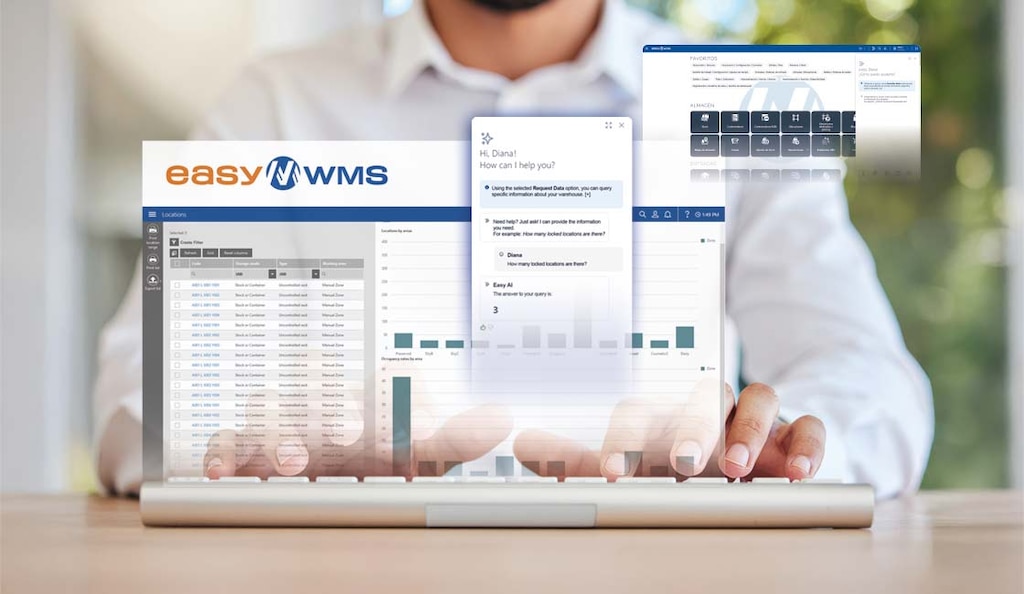
Artificial intelligence is reshaping how organizations approach business process optimization. For example, predictive analytics applications are helping companies forecast demand more accurately, creating faster, more responsive supply chain processes and streamlining inventory management.
AI also has significant potential in manufacturing process optimization. By analyzing sensor data and historical records, AI agents can facilitate predictive maintenance strategies that identify potential equipment issues before they disrupt operations. The result is less downtime and more productive facilities.
Beyond manufacturing and logistics, artificial intelligence offers benefits for a wide range of industries. AI-powered assistants can handle routine administrative work, such as data entry and invoice processing. Quality control systems rely on advanced algorithms and machine learning to test and validate processes before deployment, while generative AI tools support customer service across multiple channels.
Process optimization: A strategic necessity
Today, process optimization is no longer optional. Organizations that want to remain competitive must continuously assess and refine the way they operate. While technology serves as a powerful enabler, lasting success depends on how effectively companies integrate people, processes, and systems. Businesses that embrace this mindset can create more efficient, transparent, and adaptable operations.
Process optimization in 5 questions
What is the definition of process optimization?
Process optimization is the practice of fine-tuning methods, workflows, and systems within a company to boost efficiency and throughput. It allows organizations to eliminate bottlenecks, cut costs, shorten cycle times, and enhance quality.
How do businesses optimize their processes?
Organizations typically follow a structured approach that includes setting objectives, documenting current processes, pinpointing inefficiencies, redesigning workflows, implementing automation, and monitoring performance through KPIs.
What process optimization solutions do companies use?
Common process optimization tools include ERP systems for connecting core business functions, BPM platforms for modeling workflows, RPA software for automating repetitive tasks, and WMSs for overseeing warehouse operations. Other analytics tools and AI applications further support visibility, process management, and decision-making.
Where can process optimization be applied?
Process optimization can be implemented across logistics, manufacturing, customer service, finance, marketing, and many other business functions. Practices such as automation and digitalization help ramp up throughput while minimizing inefficiencies.
What process optimization methods are available?
There are many process optimization methods, ranging from lean and Six Sigma to agile frameworks and continuous improvement programs. Each approach seeks to create faster, more reliable, and more results-oriented operations.