



Obsolete inventory: Definition, examples, and how to manage it
Obsolete inventory is a challenge for logistics management. Changes in the market, products, and customer preferences can alter the sales outlook for merchandise. Spotting these situations early is essential for making informed decisions about warehouse stock and preventing items that no longer meet a company’s needs from piling up.
In this post, we explain what obsolete inventory is, what causes it, how to identify it, and how to calculate its value. We’ll also cover ways to prevent it and how a warehouse management system can help keep it from accumulating.
What is obsolete inventory?
Obsolete inventory includes finished goods, raw materials, components, and other stock that has lost its usefulness or demand and realistically can no longer be sold or used in a company’s operations. Typical causes are technological advances, changing consumer preferences, product deterioration, and inaccurate demand planning.
These items shouldn’t be confused with overstock (excess inventory), which exceeds projected needs but still has potential for sale or practical use. They also differ from slow-moving inventory, which remains in storage longer than expected. However, both situations can heighten the risk of obsolescence if these items cease to be useful or in demand. This relationship is reflected in common inventory management categories such as SLOB (slow-moving and obsolete), E&O (excess and obsolete), and OSMI (obsolete and slow-moving inventory).
How does obsolete inventory affect a company? It ties up working capital and hurts cash flow, increases storage and maintenance costs, takes up valuable warehouse space, reduces profitability, and may require adjustments to the inventory’s book value.
Obsolete stock accounting treatment
The accounting treatment for obsolete inventory depends on the regulations applicable in each country. Generally speaking, when stock loses value and is unlikely to be sold or used for the amount originally expected, a business may have to recognize an inventory impairment loss and lower its book value. This adjustment ensures that the recorded value reflects the amount the company expects to recover through sale or use.
What causes inventory obsolescence?
Inventory obsolescence isn’t always caused by a single, easily identifiable factor. Certain internal decisions and market changes increase the risk that stock will lose its demand, usefulness, or sales potential. The most common causes include:
- Purchasing errors. Buying more than necessary can create excess stock that eventually becomes obsolete if there’s no demand for it.
- Inaccurate demand forecasts. Overestimating sales can lead a company to purchase or manufacture more merchandise than the market can absorb.
- Unreliable lead times. A delay can cause a product to miss its demand window and raise the risk of obsolescence, especially for seasonal goods or items with short life cycles.
- Inadequate inventory management systems. Limited visibility into stock makes it harder to recognize slow-moving products in time and take action before they become dead stock or obsolete.
- Poor design. If an item breaks easily or fails to meet expectations, demand tends to decline, creating overstock that may eventually turn into obsolete inventory.
- Rapid changes in customer preferences. Companies must monitor the market and emerging trends to stay ahead of the competition, particularly in certain industries.
- End of the product life cycle. Replacing or discontinuing an SKU can leave the related units, components, or materials in storage without any remaining demand or practical use.
- Technological advances. New technologies can make certain products, components, or materials outdated.
How to identify obsolete inventory, with examples
To identify obsolete material, businesses should review how long goods have been in storage, in addition to their turnover and sales performance. Analyzing inventory obsolescence also involves considering the product life cycle, technological changes, consumer preferences, and physical deterioration. Slow turnover or a prolonged decline in sales can serve as warning signs, although neither factor alone means that an item is obsolete.
Below are some obsolete inventory examples:
- Discontinued components. Parts intended for a model that’s no longer manufactured.
- Technologically outdated products. Devices replaced by alternatives that have caused demand for them to decline.
- Trend-driven items. Clothing or accessories that consumers are no longer interested in.
- Deteriorated raw materials. Goods that have lost the properties needed for use in production.
How to calculate obsolete inventory
Once a company has identified obsolete stock in its facility, it can calculate its value based on the affected units and their cost:
| Obsolete inventory value = Obsolete units x Unit cost |
The business can also calculate what percentage this stock represents of the total inventory:
Obsolete inventory percentage =
|
For example, if a company has $10,000 worth of obsolete inventory and its total inventory is valued at $200,000, obsolete items represent 5% of the total.
This calculation helps determine the extent of the obsolete stock, but it doesn’t necessarily correspond to the accounting loss it generates. Its value for accounting purposes depends on the amount the business expects to recover and the applicable regulations.
What to do with obsolete inventory
Before removing obsolete material, companies should assess its condition and determine whether it still has any potential for sale, reuse, or value recovery. Depending on the outcome, they have several options:
- Resell it or offer discounts. If there’s still a market for the goods, lowering the price or selling through alternative channels can help move them.
- Bundle it with other items or liquidate it. Creating promotions or product bundles can facilitate sales and free up warehouse space.
- Return it to the supplier. In some cases, businesses can negotiate the return or replacement of certain goods.
- Reuse it. Some products, components, or materials can serve other purposes within the organization.
- Donate it. Stock that remains suitable for use can be given to third parties that can benefit from it.
- Recycle or dispose of it. If there’s no viable outlet, the materials may be recovered through recycling or, as a last resort, disposed of properly.
- Write it off. If the stock has lost its value and is permanently removed, the write-off must be recorded in accordance with applicable accounting regulations.
How to prevent obsolete inventory
Greater visibility and control make it possible to detect obsolescence risks and take action before products lose their usefulness or sales potential.
- Monitor inventory levels in real time. When supply chain employees have up-to-date information on each SKU, they can make more informed decisions about when to place new orders or run promotions.
- Adjust stock levels and replenishment. Aligning stored quantities and purchase orders with actual needs prevents excess stock from accumulating.
- Improve demand forecasting. Forecasting is essential, so companies should review factors such as historical demand and seasonal trends.
- Apply FIFO or FEFO when appropriate. Using the FIFO (first in, first out) and FEFO (first expired, first out) inventory rotation strategies reduces the risk of products losing their usefulness. FIFO prioritizes the removal of stock that has been stored the longest, while FEFO moves items with the earliest expiration dates first.
How a WMS helps prevent obsolete inventory
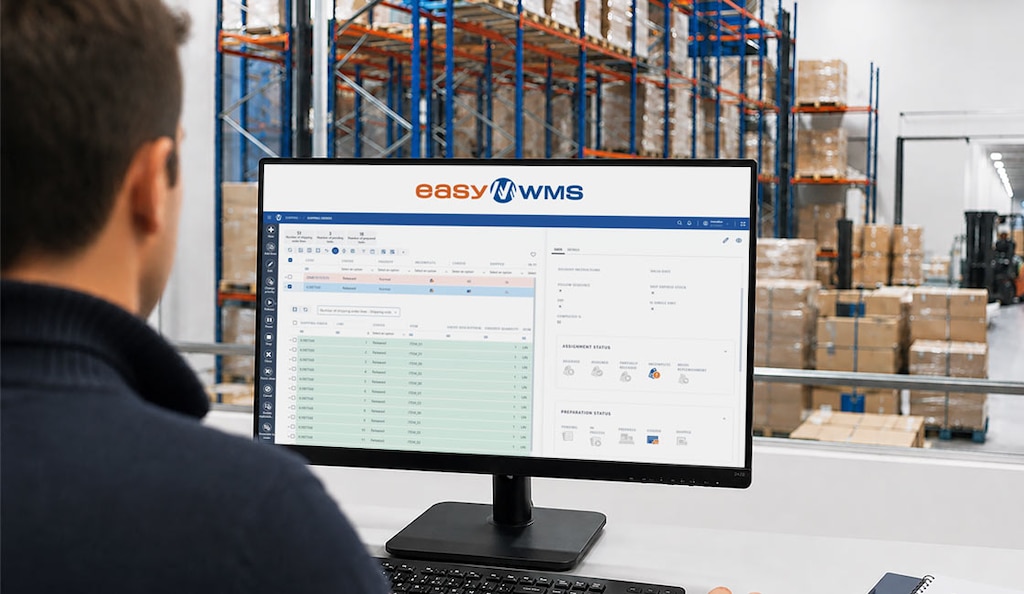
A warehouse management system (WMS) improves inventory visibility by providing up-to-date information about stored products, their locations, and their movements. Interlake Mecalux’s Easy WMS enables product traceability from receiving through shipping and allows companies to monitor factors such as inventory age, lot numbers, and expiration dates.
These data help spot SKUs that have been stored for too long or face a greater risk of becoming obsolete, whether in manually operated facilities or fully automated warehouses. A WMS can also apply strategies such as FIFO and FEFO to prioritize the removal of certain goods and prevent them from remaining in storage longer than necessary.
Information about inventory levels and turnover also supports replenishment decisions by allowing companies to adjust new orders and avoid accumulating stock with limited sales potential.

The key to obsolete inventory: staying ahead of it
Obsolescence can’t always be avoided. But businesses can mitigate its impact through proactive inventory management. Having accurate, up-to-date information makes it possible to detect risks early and make decisions before stock loses its sales potential or usefulness. Companies can take the following steps:
- Monitor inventory age and turnover regularly
- Adjust purchasing and replenishment to demand
- Define a strategy for obsolete inventory
- Use a WMS to improve traceability and supply chain visibility
Obsolete inventory: 5 FAQs
When is inventory considered obsolete?
Common causes include technological advances, changes in customer preferences, product deterioration, and inaccurate demand forecasts.
What impact does obsolete inventory have on a business?
Obsolete inventory ties up financial resources in goods with no sales potential and generates additional storage costs. It also takes up space that could be used for other items, cuts into profits, and affects the inventory’s book value.
What is an obsolete inventory expense (inventory impairment loss)?
When a product becomes obsolete, its value may fall below the amount initially recorded. Under applicable accounting regulations, this loss in value may need to be recognized as an expense in the financial statements, lowering the inventory’s book value.
What’s the relationship between obsolete inventory, excess inventory, and slow-moving inventory?
Excess inventory and slow-moving or stale inventory can eventually become obsolete if they are no longer useful or in demand. This relationship is reflected in terms such as E&O (excess and obsolete), SLOB (slow-moving and obsolete), and OSMI (obsolete and slow-moving inventory).
How can companies prevent obsolete inventory?
To prevent obsolete inventory, businesses should align inventory and replenishment with demand, monitor turnover, and apply methods such as FIFO or FEFO. A warehouse management system provides the visibility and traceability needed to identify goods at risk of losing their sales potential in time.