



What is SMED? A guide to lean changeover reduction
SMED (Single-Minute Exchange of Die) is a core lean manufacturing methodology designed to minimize changeover times in production processes. Increasingly, its principles are also being applied to logistics operations. Based on lean methodology and closely linked to kaizen, SMED helps companies optimize their operational performance while making better use of available resources.
In this post, we explain what SMED is, how it works, and outline its main stages, benefits, and limitations. We’ll also explore how the methodology applies to logistics and how technologies such as warehouse management systems (WMSs) can support faster, more efficient operations.
What is SMED?
SMED stands for Single-Minute Exchange of Die, a methodology focused on reducing equipment changeover times to single-digit minutes. According to the Lean Enterprise Institute, SMED is a systematic approach to reconfiguring production equipment from one product or process to another in less than 10 minutes.
This continuous improvement system was developed by Japanese engineer Shigeo Shingo, one of the architects of the Toyota Production System.
Also known as quick changeover, SMED involves analyzing and refining every activity required during the setup process, distinguishing between tasks that call for operations to stop and those that can be completed while equipment is still running.
Within the lean manufacturing philosophy, SMED is a fundamental tool for eliminating waste, enabling smaller production batches, and supporting strategies such as just-in-time (JIT) and total productive maintenance (TPM). Although it originated on the factory floor, its principles also apply to logistics, where minimizing interruptions and eliminating non-value-added time can significantly enhance operational performance.
Benefits of SMED
Implementing SMED has significant advantages for manufacturing. But it can also streamline logistics operations, particularly when integrated into lean and kaizen initiatives:
- Reduced downtime. SMED curbs downtime associated with product, process, or format changes. By separating and optimizing setup activities, equipment remains in operation longer, leading to higher productivity.
- Increased capacity. Shorter changeovers free up more time for production without requiring additional equipment or facility expansion. In logistics, this translates into greater order fulfillment capacity within the same operating period.
- Lower inventory levels. Faster changeovers make smaller production batches economically viable, reducing the need to hold excess inventory. This supports Just-in-Time (JIT) production while lowering storage costs, improving inventory turnover, and optimizing warehouse space utilization.
- Enhanced safety. Clearly defined procedures eliminate unnecessary improvisation during changeovers, helping avoid operational risks.
Together, these advantages make SMED a strategic lean methodology tool for organizations seeking more agile and efficient operations.
Challenges of SMED
Although SMED offers considerable benefits, businesses should also consider the challenges involved in adopting the methodology:
- Initial investment. Implementing SMED requires time and resources to analyze existing processes, measure changeover times, and identify improvement opportunities. It may also entail investments in employee training, process redesign, and, in some cases, new equipment or tooling.
- Resistance to change. SMED implementation is as much a cultural initiative as it is a technical one. Adopting lean and kaizen principles often means revamping established workflows, roles, and responsibilities. Without effective change management, employees may be reluctant to embrace new ways of working.
- Need for standardized processes. SMED relies on repeatable, consistent workflows. Before implementing the methodology, companies should document their processes and establish practices such as 5S to create an organized, structured work environment.
- Technical limitations. Not every process can achieve dramatically shorter changeover times. In certain cases, constraints stem from the underlying technology, product complexity, or quality and safety requirements. While these limitations don’t diminish the value of SMED, businesses may have to combine it with other lean tools or methodologies such as Six Sigma to achieve optimal results.
Therefore, SMED should be applied through a structured approach aligned with an organization’s continuous improvement strategy and supported by complementary tools.
What are the three stages of SMED?
The three stages of SMED form the foundation of the methodology and reflect core lean and kaizen principles:
1. Separate internal & external setup
The first step is to analyze the entire changeover process and classify every activity into one of two categories:
- Internal setup: Tasks that require equipment to be stopped or the manufacturing flow to be interrupted (for example, replacing tooling or changing machine settings).
- External setup: Tasks that can be completed while production continues (e.g., preparing tools, materials, or documentation).
This analysis highlights where downtime occurs and helps identify opportunities for improvement in line with lean manufacturing principles.
2. Convert internal to external setup
Once internal activities have been identified, the next step is to transform as many of them as possible into external tasks. In other words, any step that does not require equipment to be idle should be completed before the changeover begins. Typical examples include:
- Preparing tools and tooling in advance.
- Preconfiguring machine settings or production programs.
- Staging materials and components at the point of use.
- Creating documentation or labels ahead of time.
This stage often delivers quick gains by directly shortening downtime. It also reinforces the kaizen philosophy by encouraging continuous review and refinement of existing processes.
3. Streamline internal setup
The final stage focuses on the setup activities that cannot be moved outside the changeover. The goal is to complete them as quickly as possible through measures such as:
- Standardizing operations.
- Eliminating unnecessary adjustments.
- Optimizing tools and work methods.
At this stage, SMED is often complemented by methodologies such as total productive maintenance (TPM) and performance metrics like OEE (overall equipment effectiveness), which help maximize equipment efficiency.
Techniques and strategies for implementing SMED
Putting SMED into practice means combining several complementary methods within a lean and continuous improvement (kaizen) framework:
- Implement the 5S methodology. A clean, organized workspace makes it easier to locate tools, eliminate unnecessary movement, and complete setups more efficiently.
- Standardize processes. Clearly documented, repeatable procedures minimize errors and make every setup consistent, regardless of who performs it.
- Train staff. Employee involvement is essential to SMED success. Training teams in the SMED methodology and kaizen principles encourages them to identify opportunities for improvement and sustain long-term progress.
- Analyze time and motion. Studying each step of the changeover highlights bottlenecks, unnecessary activities, and areas with the potential for fine-tuning.
- Track performance with OEE. Monitoring overall equipment effectiveness lets companies measure the impact of SMED and discover new ways to boost productivity.
- Integrate SMED with other lean tools. SMED delivers the greatest value when used alongside other lean manufacturing methodologies, creating a more cohesive approach to continuous improvement.
In maintenance operations, SMED can also shorten intervention times, refine work planning, and increase equipment availability, contributing to stronger overall operational performance.
SMED examples in logistics
Although SMED originated in manufacturing, it can also be applied to logistics operations. Instead of focusing on tooling changes, the aim is to cut transition times between operations. Examples include moving from one order picking task to the next, reorganizing outbound shipments, and reallocating resources. The methodology distinguishes between activities that interrupt the workflow (internal) and those that can be completed beforehand (external).
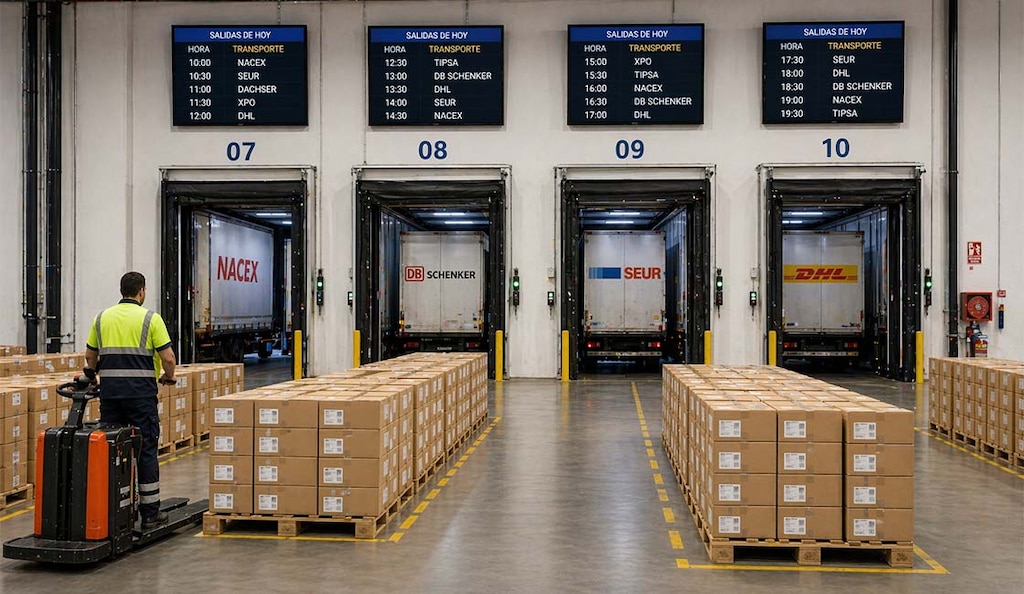
This approach translates into practices such as generating wave picking tasks before operations begin, assigning dock doors ahead of truck arrivals, and staging packing kits in advance. Likewise, planning the order picking and loading sequence streamlines outbound shipments without introducing delays or last-minute adjustments.
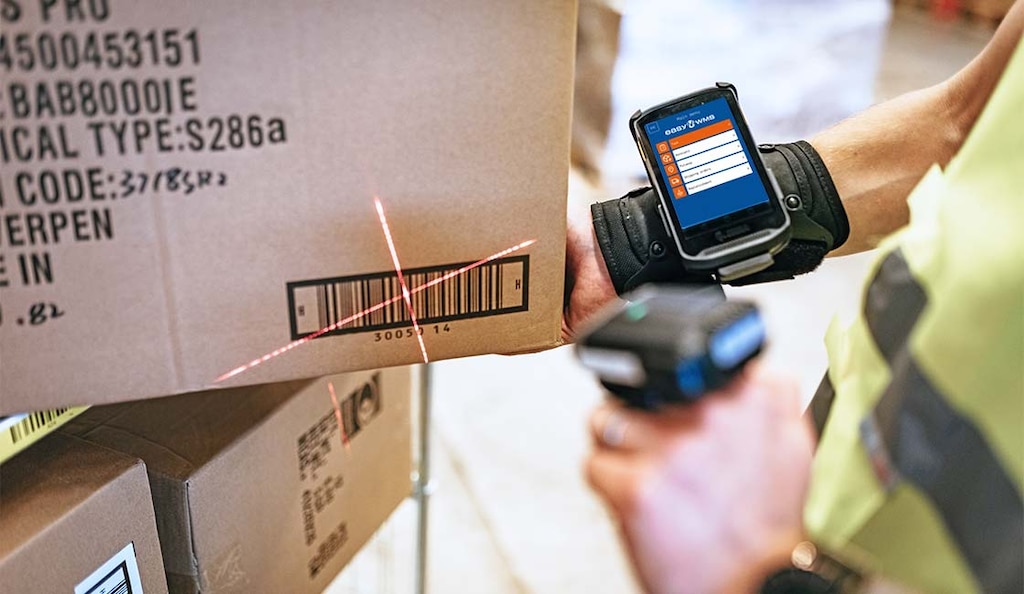
In this context, a warehouse management system like Interlake Mecalux’s Easy WMS plays a central role. By automating planning and coordinating external tasks, the software removes the need for real-time intervention. This capability shifts activities that traditionally interrupted intralogistics operations into preplanned workflows. For example, a WMS can group orders into picking waves, sequence pick paths, coordinate labor and equipment, and generate work instructions before releasing tasks to the warehouse floor.
As a result, applying SMED in logistics minimizes idle time between operations, prevents bottlenecks, and supports a continuous flow of work. Together, these measures increase throughput and flexibility while reinforcing lean principles.
SMED: Driving efficiency and flexibility
SMED is a pillar of lean manufacturing, helping businesses shorten changeover times while enhancing flexibility and operational efficiency. Whether applied in manufacturing or logistics, the methodology facilitates continuous improvement (kaizen) and strategies such as just-in-time production.
When combined with tools such as 5S, OEE, and WMS software, SMED becomes a valuable framework for organizations looking to streamline workflows and respond more effectively to changing business demands.
SMED FAQs
What is SMED used for?
SMED reduces changeover times for equipment, processes, and production formats, limiting downtime and boosting operational efficiency. It enables greater flexibility, smaller production batches, and more efficient use of resources through continuous improvement (kaizen).
Why is SMED called SMED?
SMED stands for Single-Minute Exchange of Die, referring to the goal of completing equipment changeovers in less than 10 minutes. Developed by Shigeo Shingo, the methodology focuses on eliminating unnecessary setup activities through lean techniques that optimize processes and avoid interruptions.
What are the 7 steps of SMED?
SMED typically involves observing the current setup process, measuring changeover times, separating internal and external setup work, converting as many internal tasks as possible into external ones, streamlining the remaining setup work, standardizing procedures, and continuously refining the process through kaizen. This systematic approach helps deliver more sustainable improvements in lean environments.
How are SMED and JIT related?
SMED and just-in-time are closely connected within lean manufacturing. By reducing changeover times, SMED makes smaller production batches practical, enabling manufacturers to align operations with actual demand, hold less inventory, and fine-tune workflow. It helps organizations implement JIT more effectively.
How does SMED work with 5S?
SMED and 5S complement one another within the lean philosophy. 5S creates an organized, clean, and standardized workplace, providing the foundation for faster, more consistent setups. This shortens search time, simplifies task execution, and makes SMED easier to implement and sustain over time.