


Modular automation: What it is and how it transforms industry
Modular automation is reshaping how companies design their processes, from industrial manufacturing and logistics to engineering, digital services, and customer support. As operations grow more complex, organizations require systems that evolve seamlessly, add new capabilities quickly, and adjust to shifting conditions. A modular approach builds solutions in blocks, expands functionality without halting activity, and allocates resources efficiently while preserving operational stability.
In this post, we explain what modular automation is, outline its main advantages, and review real-world examples.
What is modular automation?
Modular automation is an engineering approach that divides manufacturing and logistics operations into autonomous modules. This type of industrial automation relies on equipment that adapts to different operating scenarios, enabling businesses to combine, expand, or replace individual parts without disrupting the rest of the facility.
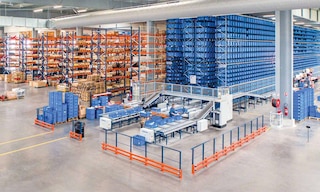
Modular automation systems consist of components that integrate technologies such as sorting, scanning, weighing, and conveying. Designed as independent yet compatible units, each module can be reconfigured or extended to meet new requirements. Companies grow at their own pace and invest only in the capabilities they need.
As a result, organizations increase their throughput based on actual demand and manage seasonal peaks with greater flexibility.
While Industry 4.0 focuses on smart production through digital and physical technologies, modular automation allows warehouse and factory hardware and software to evolve alongside market needs.
This concept also mirrors the microservices architecture in physical warehouse environments. Just as modern software development replaces monolithic platforms with specialized, independent yet interconnected services, modular logistics breaks operations into self-contained processes that communicate with one another.
Benefits and strategic value of modular automation
In a landscape where adaptability and efficiency set the standard, modular automation offers clear advantages:
- Adaptability. Configurable solutions respond quickly to change, minimizing downtime during transitions.
- Scalability. Businesses increase or reduce capacity by adding or removing modules in line with demand. This approach avoids overinvestment while supporting phased growth. In logistics environments, it helps absorb seasonal peaks and volume surges without redesigning an entire facility.
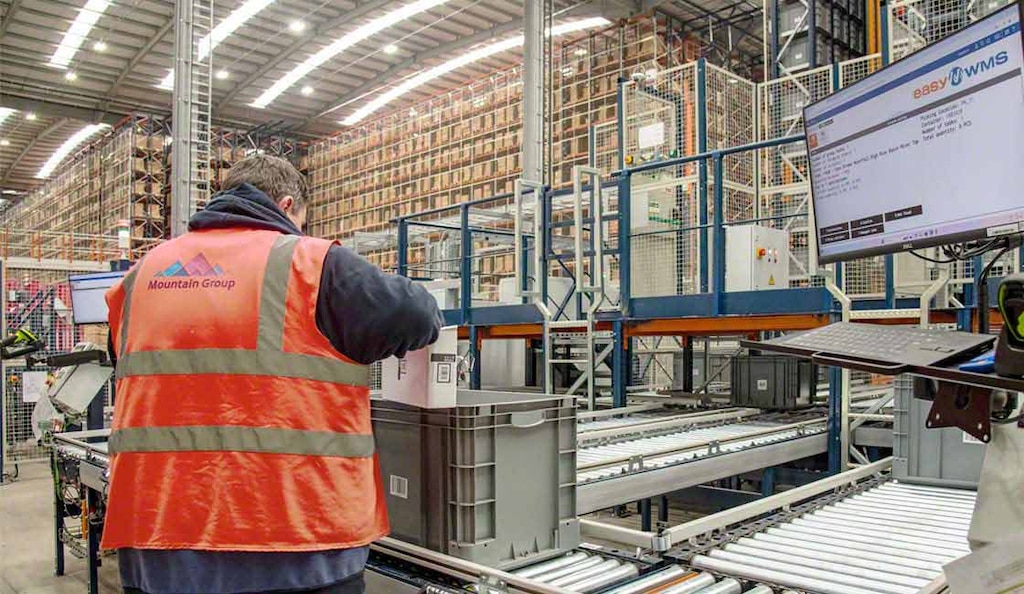
- Optimization. By integrating only the required components at each stage, organizations streamline resources, lower operating costs, and enhance performance without oversizing their systems. In warehouses and distribution centers, this translates into smoother flows, less manual handling, fewer errors, and better space utilization.
- Customization. Modular systems offer a high degree of personalization, allowing businesses to configure automation tools according to their specific requirements.
- Competitiveness. The ability to adapt quickly, scale efficiently, and refine processes delivers a sustained competitive edge. Organizations adjust to market shifts with greater speed and provide more reliable service.
Modular automation in warehouses
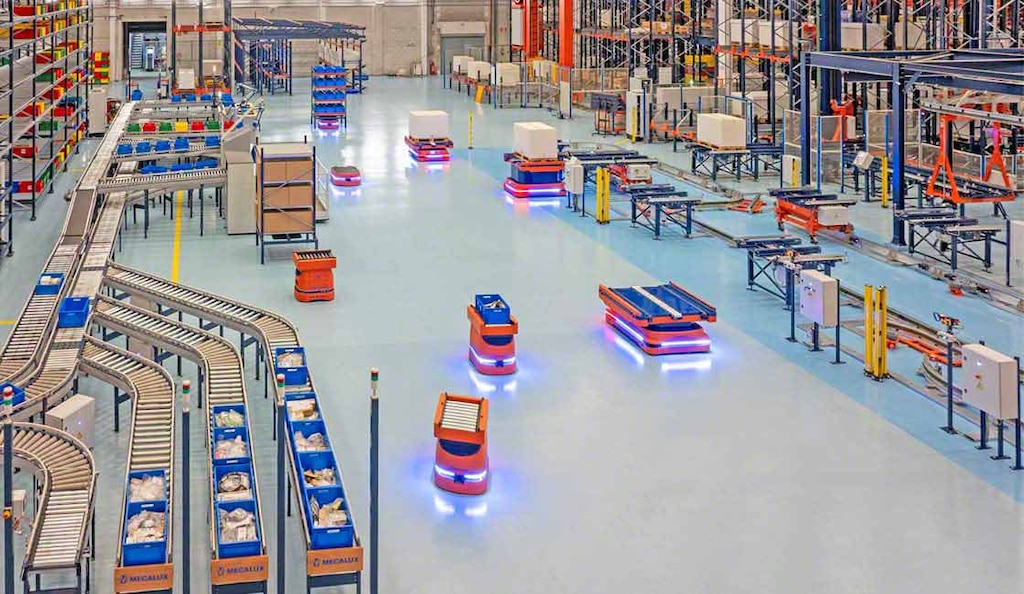
In warehousing, automation modules have become a go-to solution for managing dynamic logistics environments. Independent modules — such as pallet conveyor systems, transfer cars, stacker cranes, and pick stations — can be incorporated, reconfigured, and replaced without overhauling the entire facility. Solutions like Interlake Mecalux’s 3D Automated Pallet Shuttle illustrate this flexibility. The system features electric shuttles that travel autonomously within storage lanes, ensuring full scalability in both depth and height through the use of lifts. Autonomous mobile robots (AMRs) are another example. These vehicles transport loads between two points independently without fixed routes or closed navigation circuits. Fleets can expand by incorporating new units, which integrate into existing workflows without structural changes.
Modularity also supports phased investment. Businesses can start with essential elements and expand progressively. In this context, modular automation aligns with robot-as-a-service (RaaS) models, where organizations pay for robot usage or availability instead of purchasing equipment outright. Other subscription-based software models, such as SaaS (software as a service), offer similar advantages by delivering advanced digital tools without the burden of maintaining or scaling on-premises infrastructure.
Overall, modular automation allows warehouses to evolve rapidly and sustainably, maintaining competitiveness in an industry defined by constant change.
Real-world examples of modular automation
Several companies have strengthened their operations by adopting modular systems:
- HAVI. At its logistics center in Vila Nova da Rainha, Portugal, multinational company HAVI implemented a high-density automation solution from Mecalux. The system combines the Automated Pallet Shuttle with stacker cranes in a freezer warehouse, maximizing capacity while adapting to changes in business activity. Supported by intelligent management through Easy WMS, HAVI absorbs demand peaks and guarantees full traceability without redesigning its infrastructure.
- Stand-Privé.com. This growing French e-commerce retailer deployed Mecalux’s Easy WMS warehouse management system in the SaaS model. Employees can access the cloud-based platform from any web browser with an internet connection. This enables smoother, more controlled operations without the need to maintain hardware on-site.
- DAFSA. When this producer of juices, plant-based purees, and horchata built a logistics center in Segorbe, Spain, it included an automated warehouse with a capacity for more than 23,000 pallets. The design reserved space for a future expansion that could accommodate up to 40,000 pallets. With its modular setup, the facility can easily pivot to evolving scenarios.
Modular automation for long-term resilience
Modular automation has emerged as a practical path for factories and warehouses seeking to keep pace with market shifts. Its phased growth model, seamless adaptability, and efficient resource allocation position this technology as a strategic asset for businesses aiming to operate with precision and agility. In an environment where demand changes constantly, modular solutions represent more than a technological upgrade — they form a foundation for long-term competitiveness and resilience. By moving beyond rigid infrastructures, organizations make better use of resources and ensure rapid responsiveness to global uncertainty.