


Pallet Shuttle*
The product
The evolution of high-density pallet storage systems: Increased capacity, speed, and efficiency
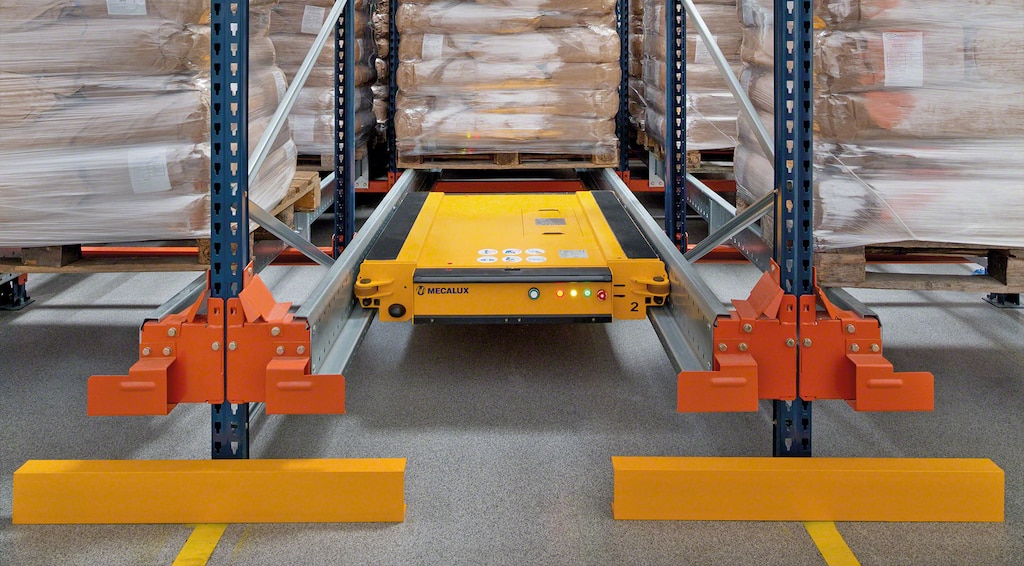
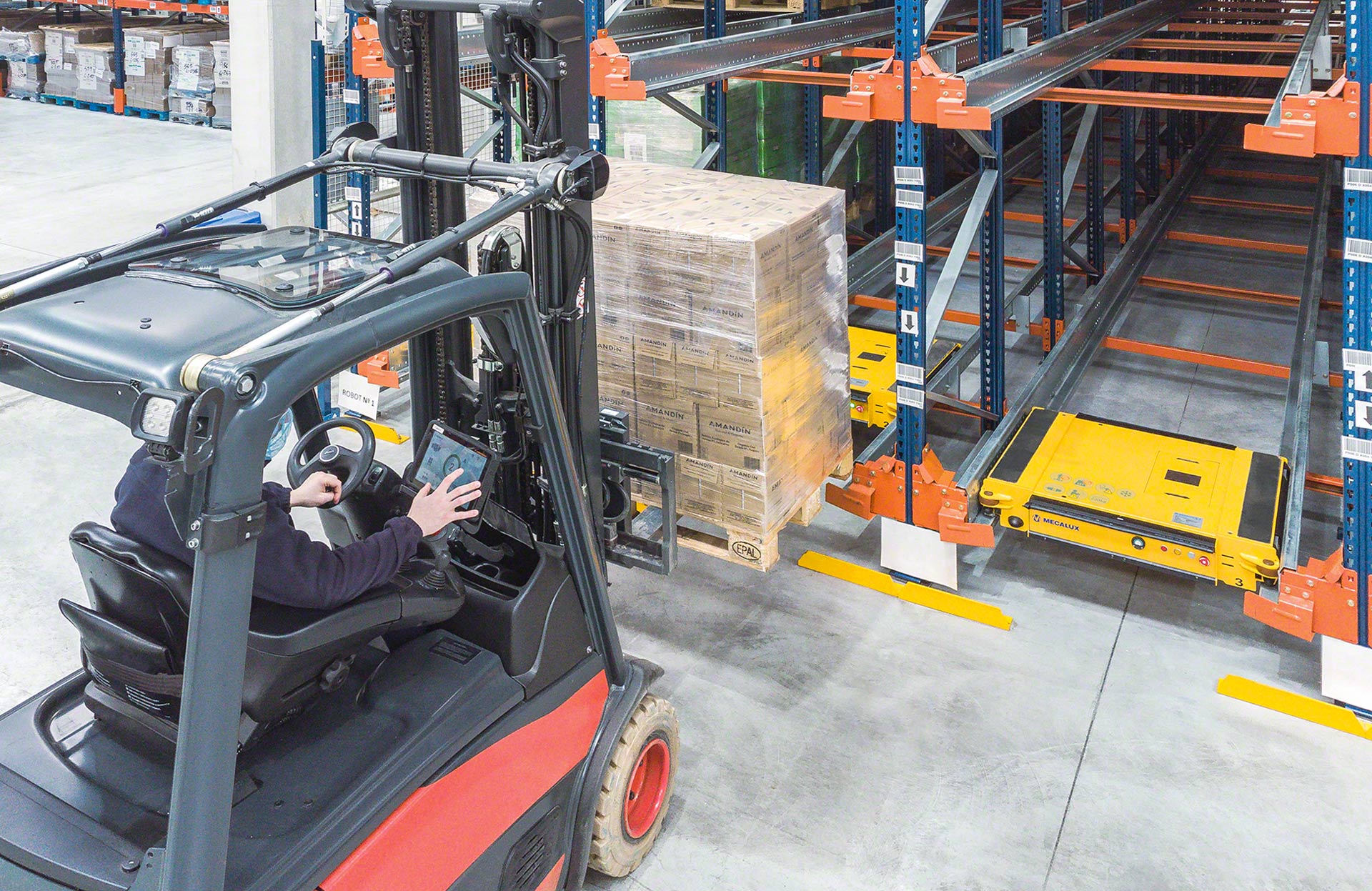
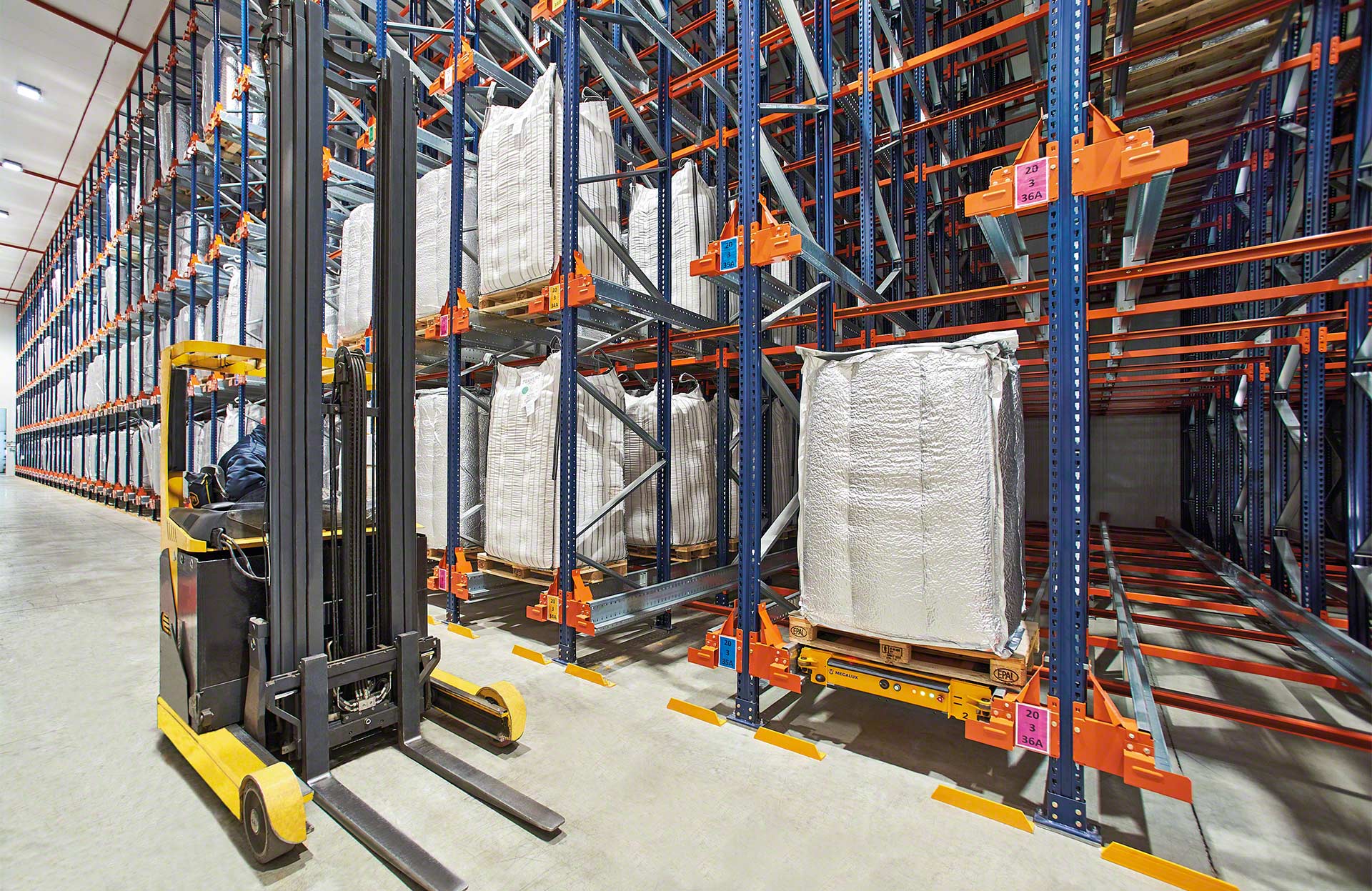
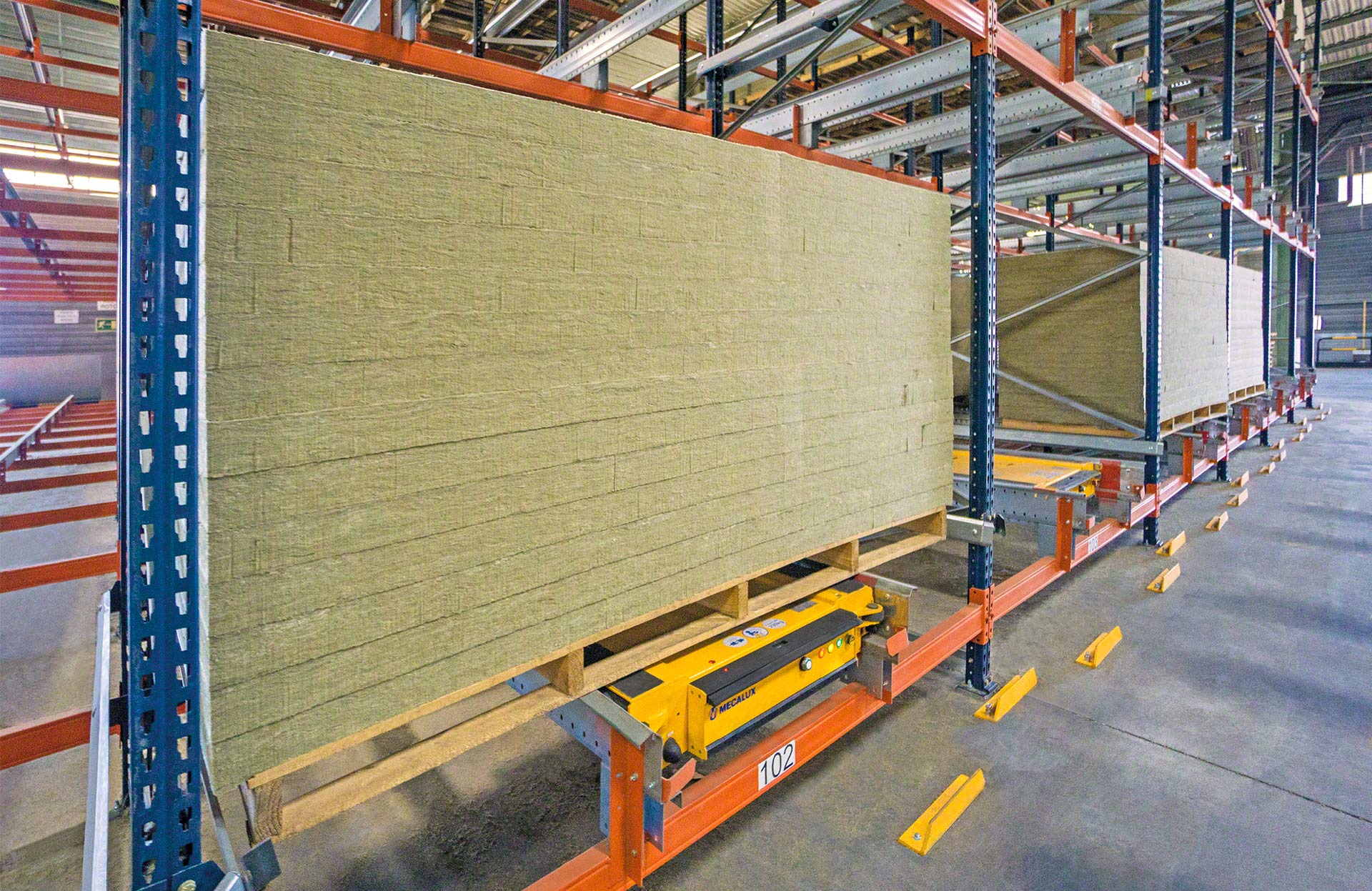
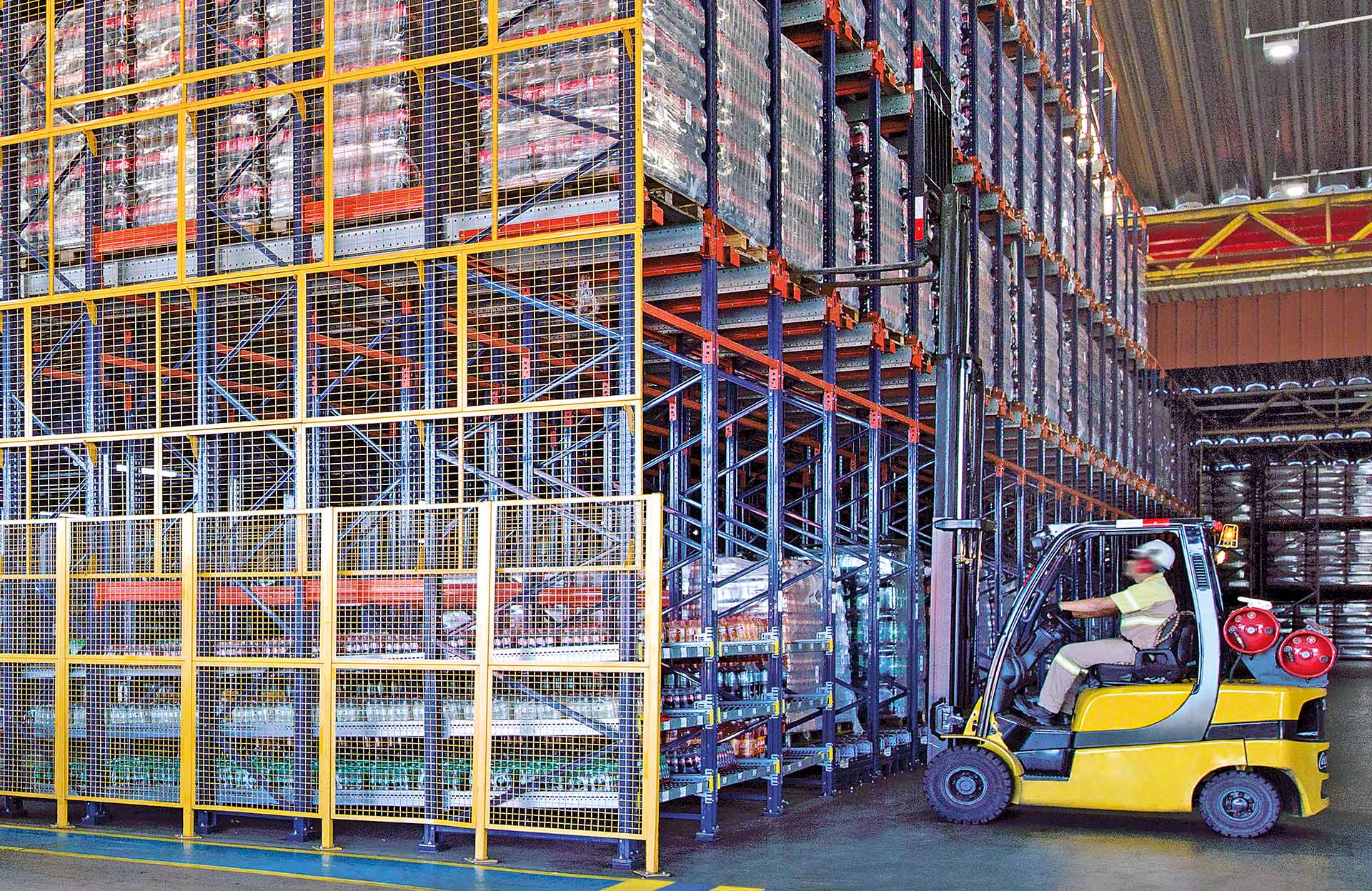
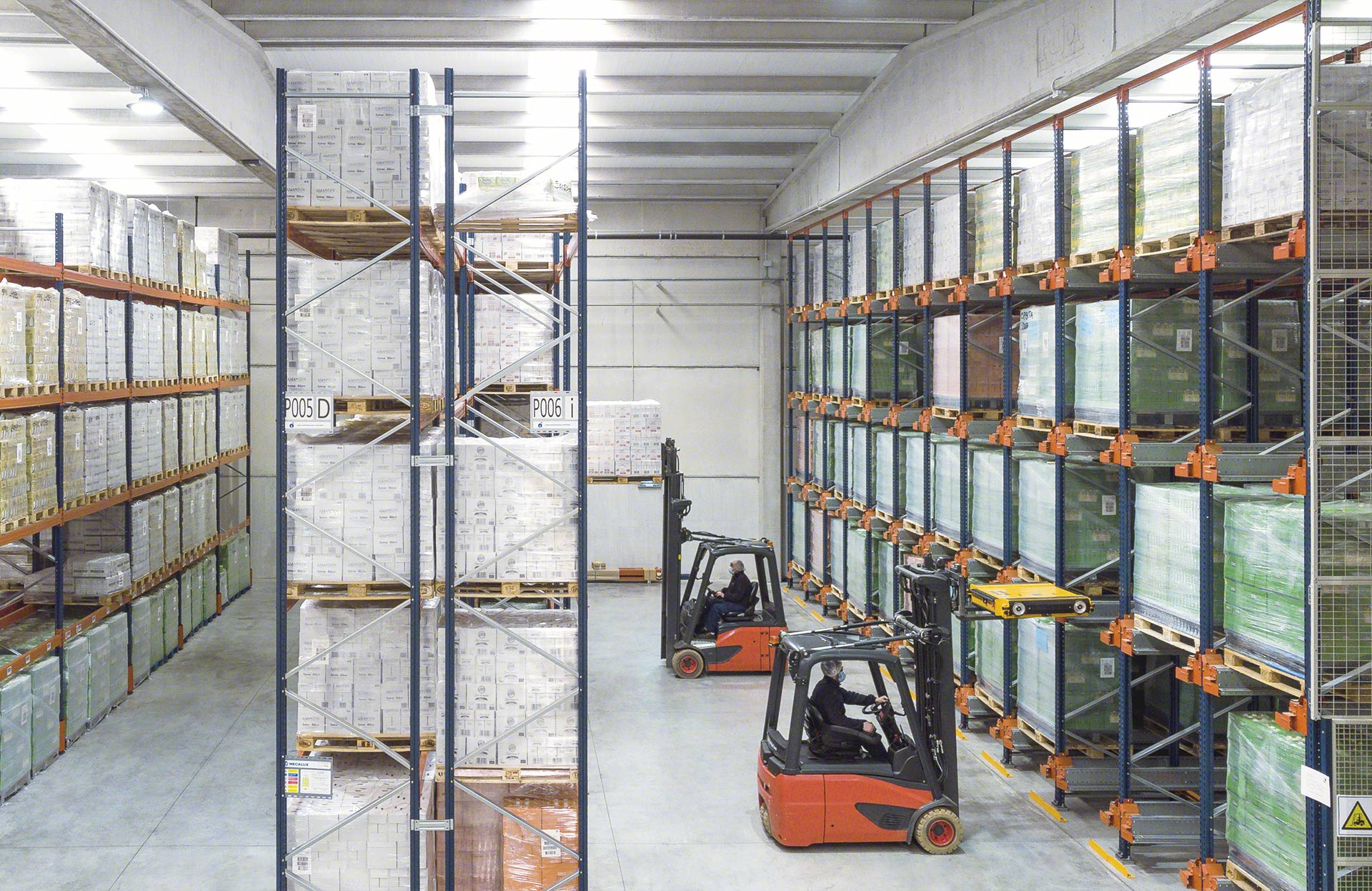
The Pallet Shuttle, also known as a radio shuttle, is a semi-automated, high-density storage system where a shuttle, powered by an electric motor, runs along rails inside a storage lane to load and unload pallets. The process is controlled by an operator, who places the shuttle in the racking using a forklift and controls it via a tablet. This solution considerably reduces operating times and enables SKUs to be assigned to individual lanes rather than an entire bay.
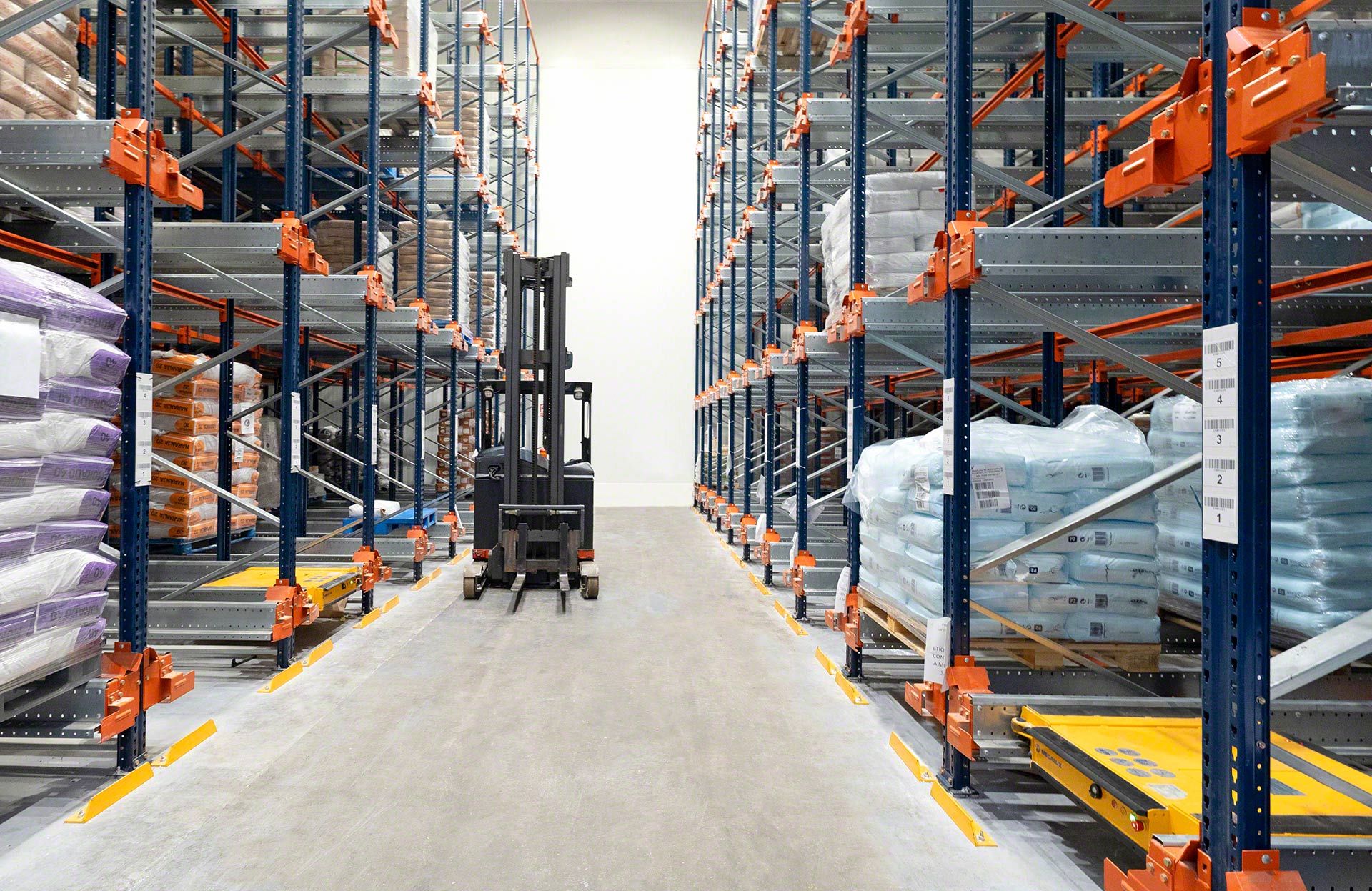
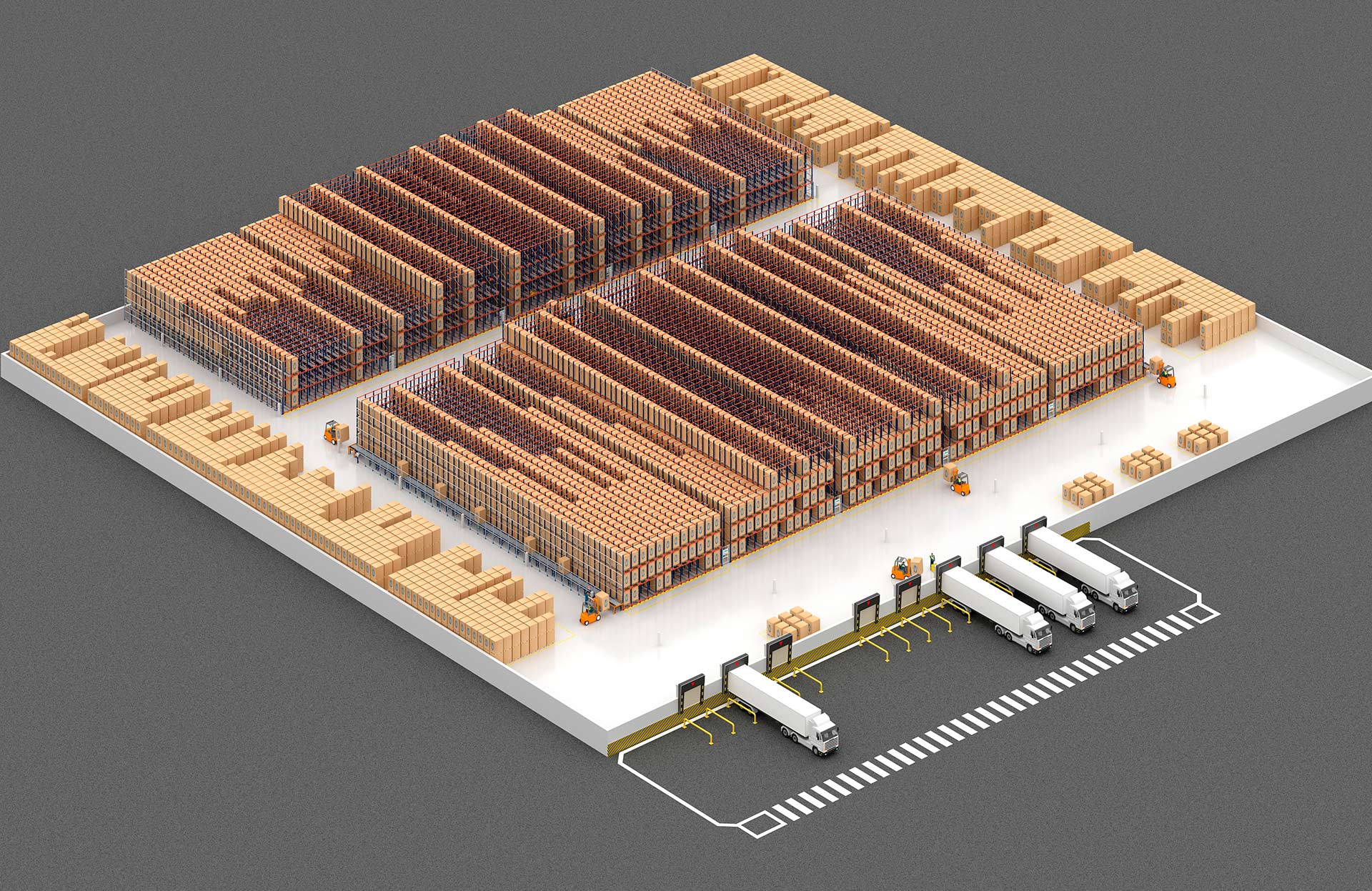
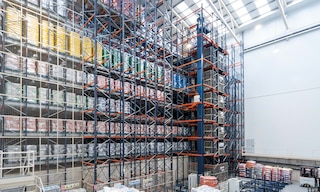
Compared with other high-density solutions, such as drive-in racking, eliminating forklift traffic inside the lanes increases storage capacity in terms of depth and reduces the risk of accidents. As a result, damage to the racking is negligible, operator movements are optimized, and warehouse operations are modernized and more flexible. The system is also available in a fully automated version, which features either stacker cranes or transfer cars.
Advantages of the Pallet Shuttle system
- Time savings and productivity improvements: The shuttle efficiently handles orders while forklifts operate within aisles without entering the racking. This reduces loading and unloading times, increasing the number of cycles per hour.
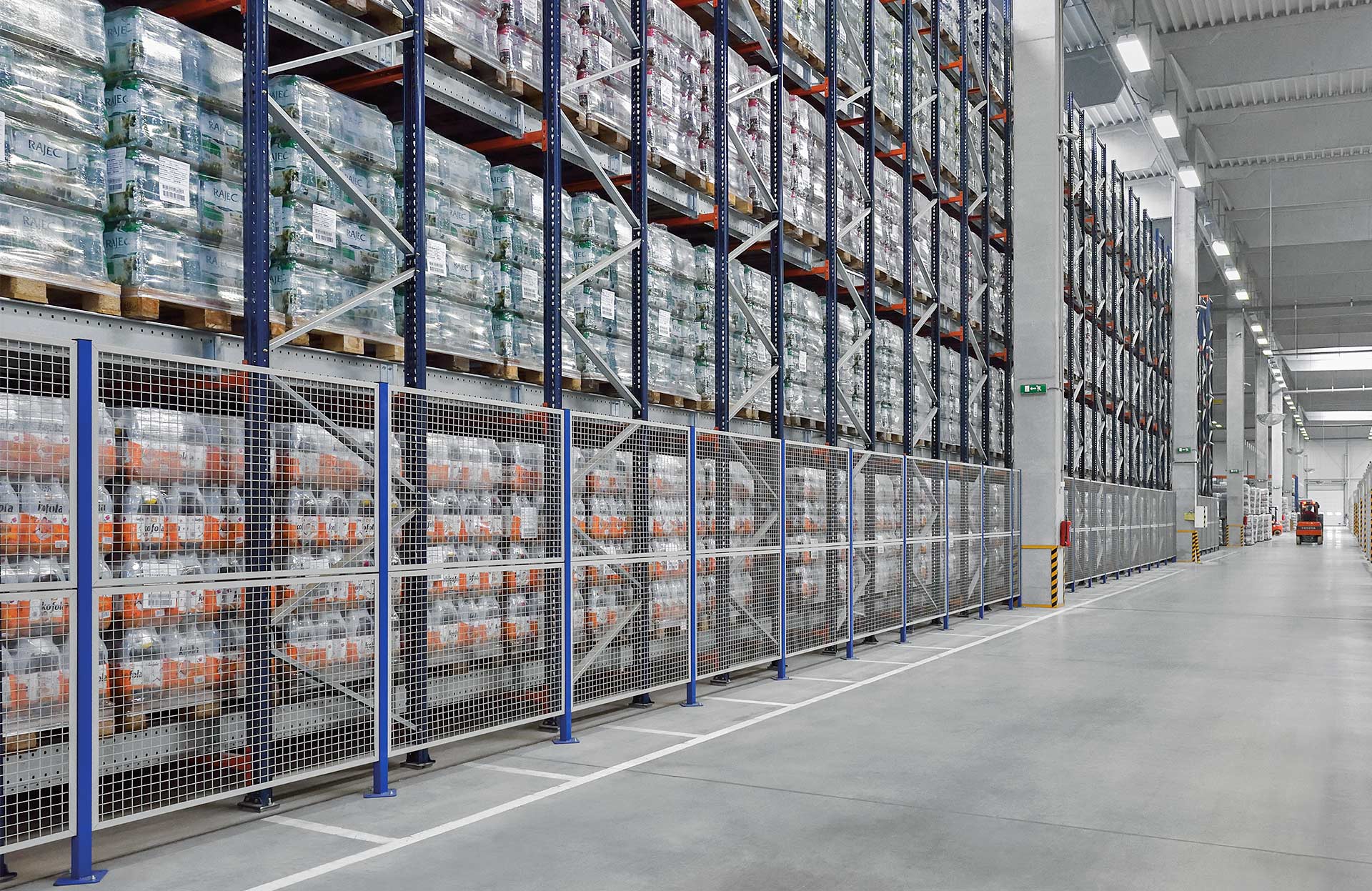
- Space optimization: Storage lanes can extend over 130' in depth, with minimal clearance between levels, maximizing storage capacity.
- Cost efficiency: Optimal space utilization minimizes the system’s overall footprint, helping to lower land costs. In cold storage warehouses, this smaller refrigerated area also decreases energy consumption.
- Multiple SKU management: Organizing SKUs by individual storage lanes rather than entire bays allows for greater storage flexibility and product variety within the system.
- Supports LIFO and FIFO: The system is compatible with both LIFO (last in, first out) and FIFO (first in, first out) inventory management methods.
- User-friendly: All system functions are controlled via a tablet with an intuitive interface, making it easy to operate.
- Enhanced safety: Since forklifts do not enter the racking, the metal structure remains undamaged, reducing the risk of accidents.
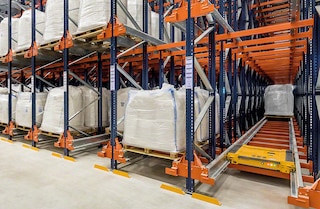
With the Pallet Shuttle system, we minimize the amount of damage to the rack and thus to the product. It’s convenient, simple, and easy.
Pallet Shuttle racking system applications
For companies requiring high-density storage and maximum throughput
The Pallet Shuttle system is an ideal solution for boosting productivity in warehouses looking to increase storage capacity while simplifying loading and unloading operations.
Facilities with high volumes of pallets per SKU
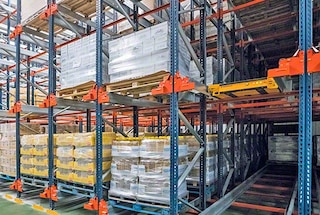
The radio shuttle allows each lane to store a different SKU, optimizing space and organization when managing a large number of pallets per SKU.
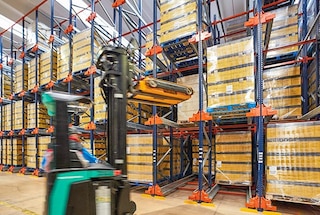
Warehouses with high-throughput inbound/outbound flows
The system significantly accelerates pallet storage and retrieval, making it ideal for businesses with fast-paced turnover of uniform goods.
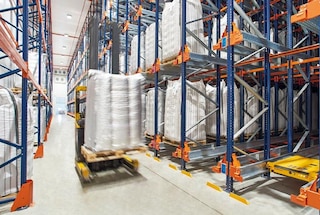
Cold storage
By optimizing space, the system reduces the volume that needs to be cooled, leading to substantial energy cost savings.
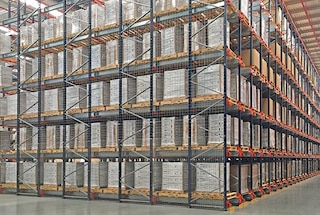
Facilities with seasonal products
Streamlining dispatch processes enables quick responses to demand spikes that occur within short time frames.
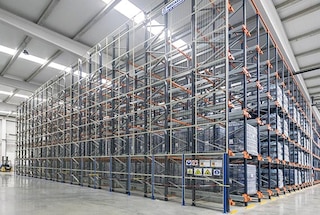
Warehouse buffer
The Pallet Shuttle system is ideal for temporary storage of goods, such as in production centers or on-demand warehouses.
Facilities that need space optimization
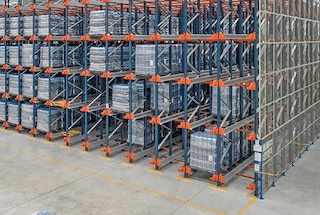
The compact design of shuttle racks maximizes the use of available surface area, particularly in depth.
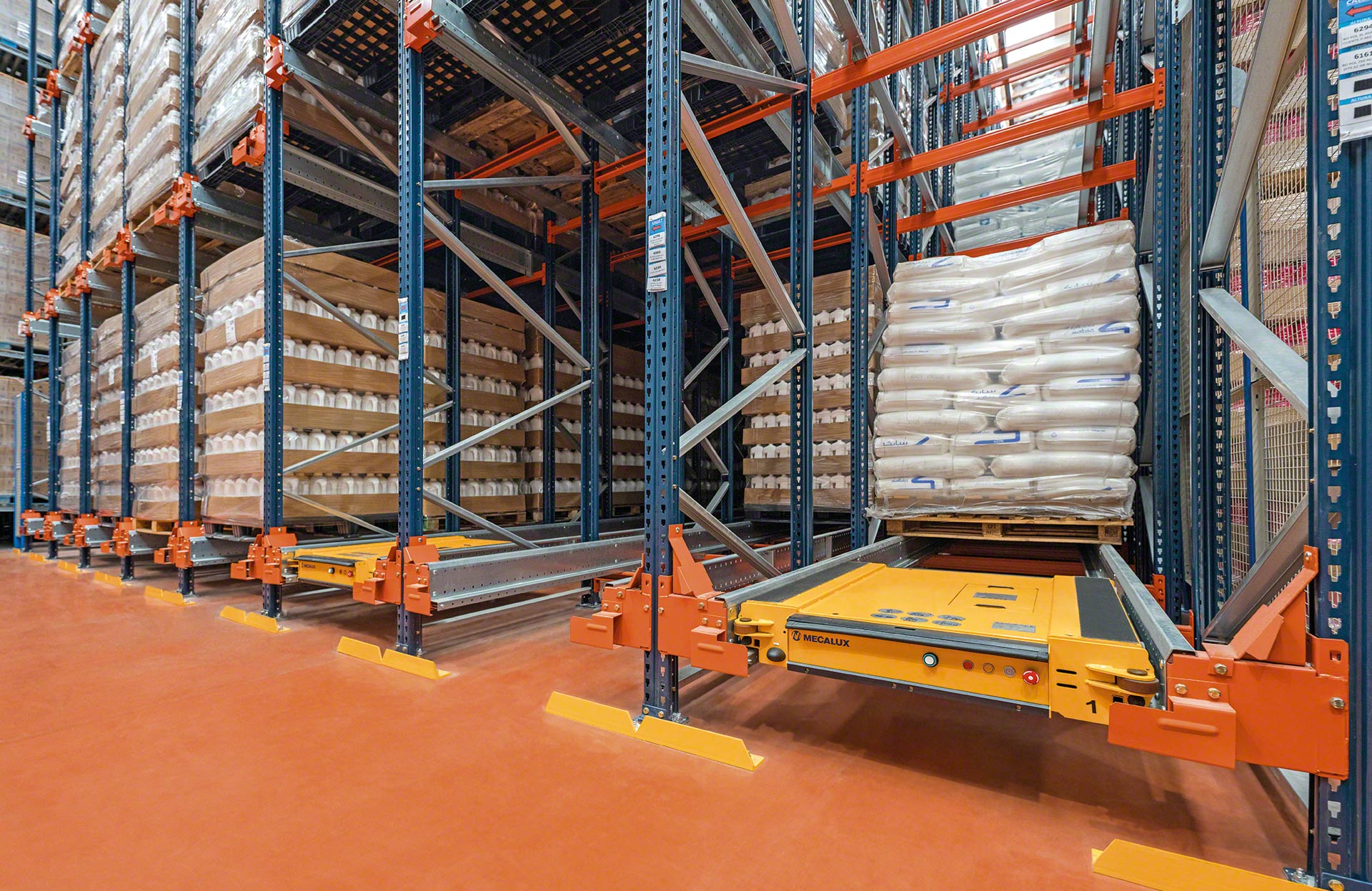
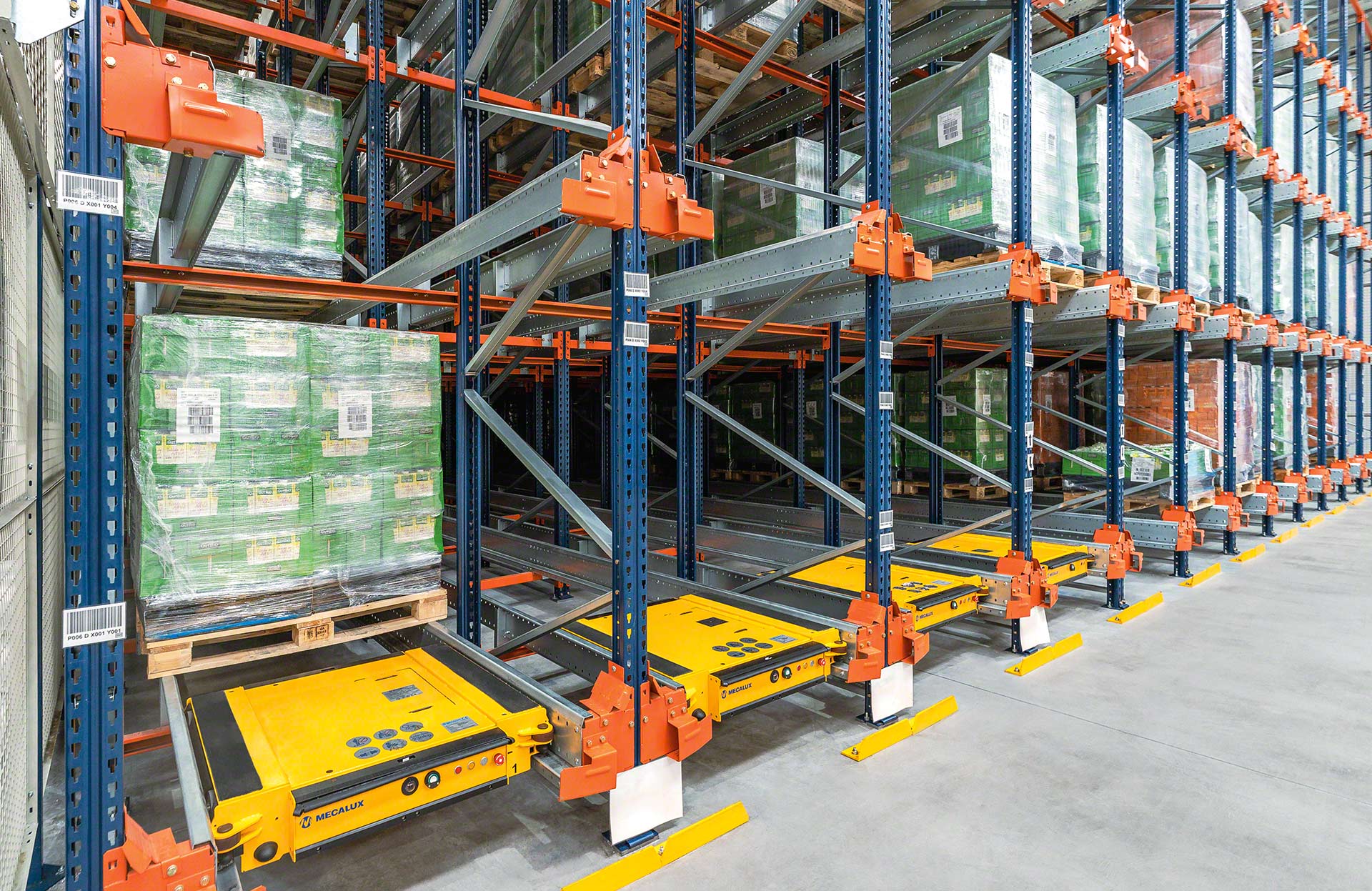
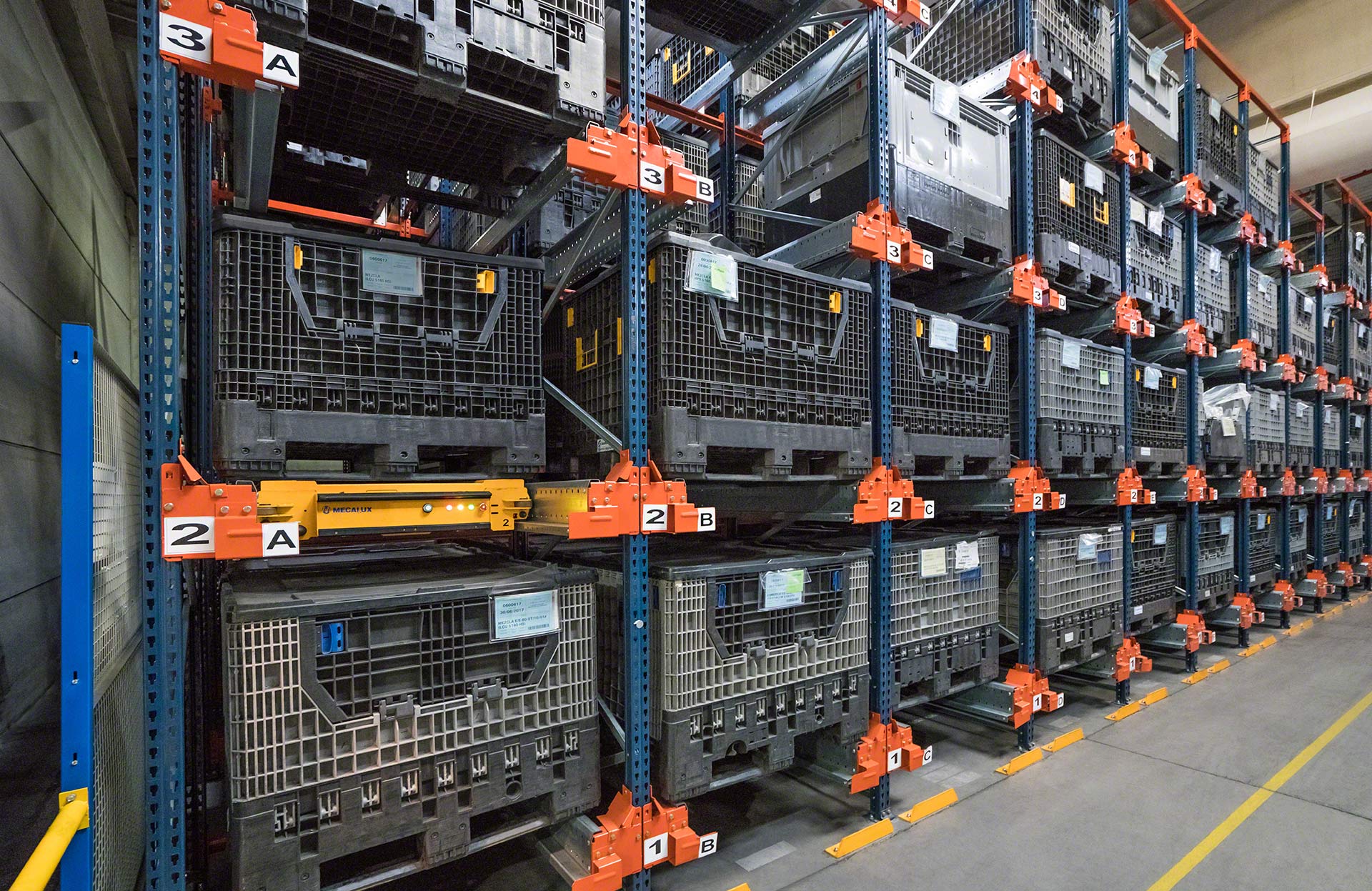
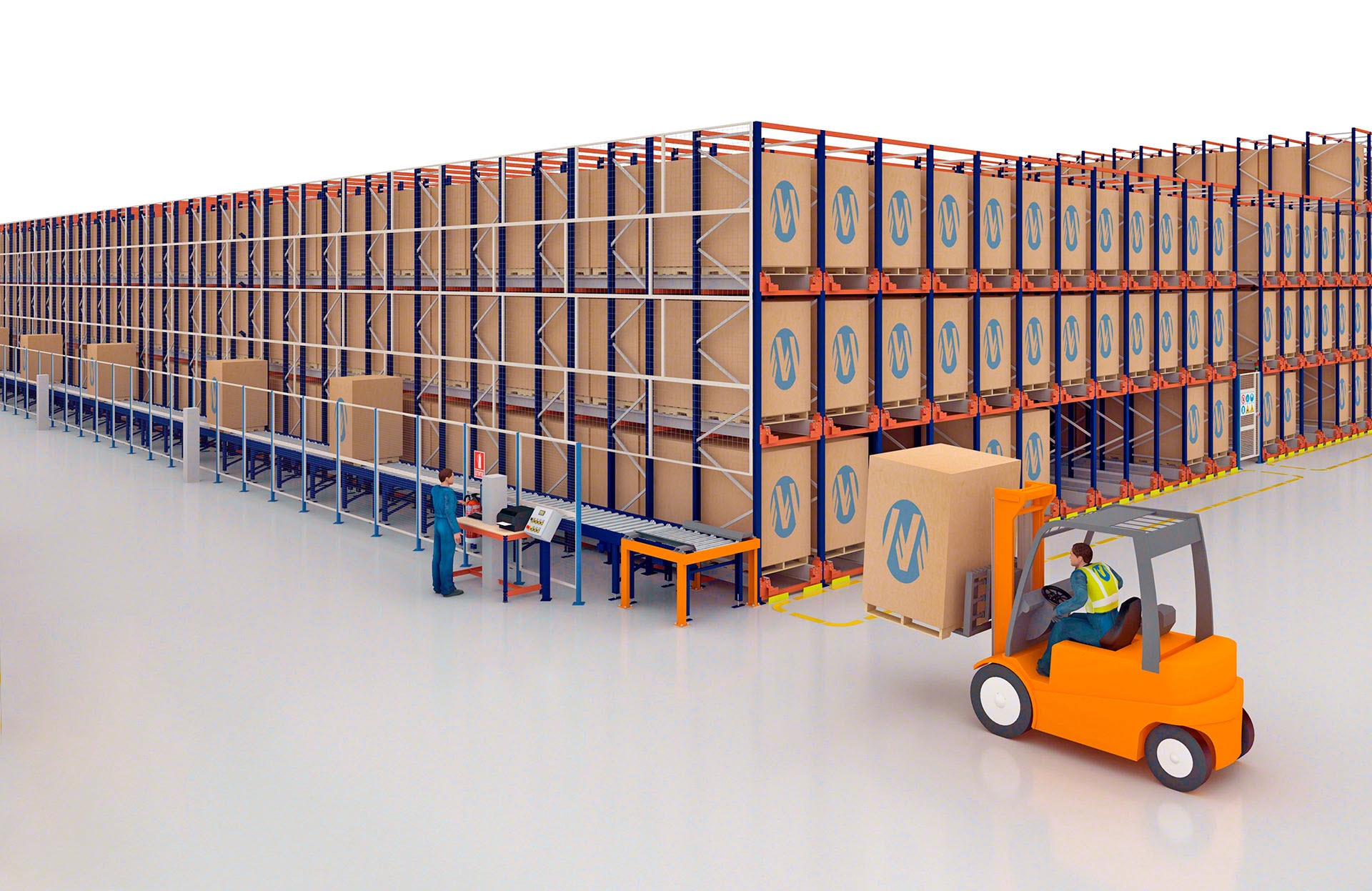
Pallet Shuttle system operation
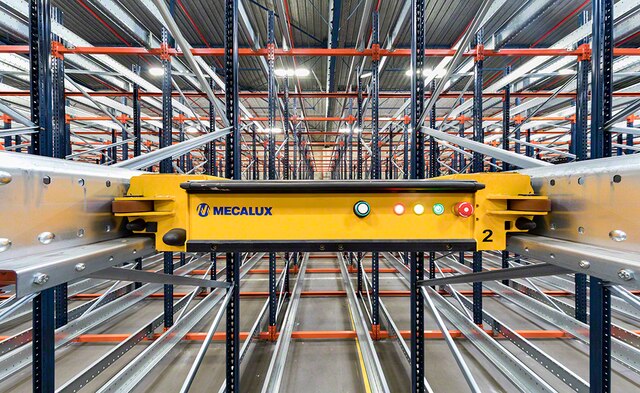
This semi-automated solution consists of a shuttle, a forklift, and an operator
The operator uses a forklift to position the pallet shuttle car at the lane entrance. They then place the pallet on the rails above the shuttle. The shuttle raises the pallet slightly and transports it to the first available location. Operators issue commands to the shuttle via a tablet.
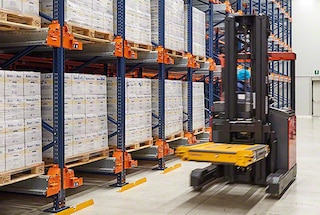
Receiving instructions
The operator receives an order to store a specified number of pallets. Using a forklift, the operator first retrieves the Pallet Shuttle car and positions it at the designated storage lane.
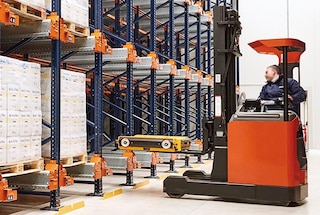
Positioning the shuttle in the lane
The forklift lifts the shuttle unit and places it securely between the rails of the storage lane.
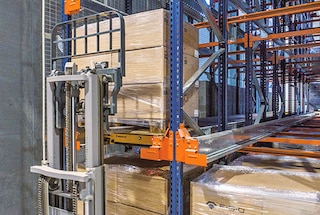
Positioning the pallet at the lane entrance
The forklift places the pallet at the entrance of the lane, resting on the rails just above the shuttle. The forklift never enters the racking during this process.
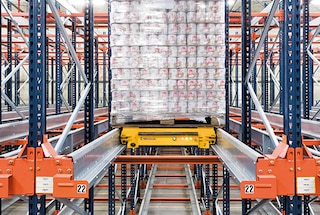
Moving the pallet to its storage location
The operator uses a tablet to command the shuttle to raise the pallet slightly and transport it to the deepest location in the lane, where it is then deposited.
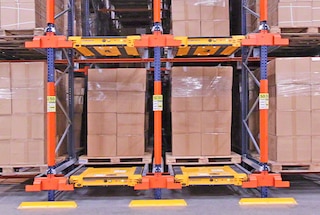
Filling the storage lane
The shuttle returns to the lane entrance, repeating this operation until the entire lane is filled. Before placing the pallet in the last available location, the operator removes the shuttle.
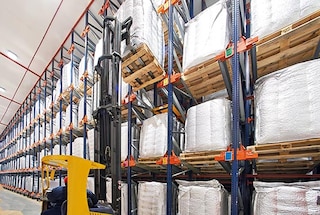
Pallet retrieval
To unload pallets, the process is reversed. In a FIFO configuration, pallets are removed from the aisle opposite the entry aisle.
Case studies
The Pallet Shuttle doubles capacity
Dairy products company Producers Dairy has equipped its cold store with the semi-automated Pallet Shuttle system from Interlake Mecalux. The semi-automated Pallet Shuttle system uses a motorized shuttle to quickly insert and extract the goods from their locations. Read more

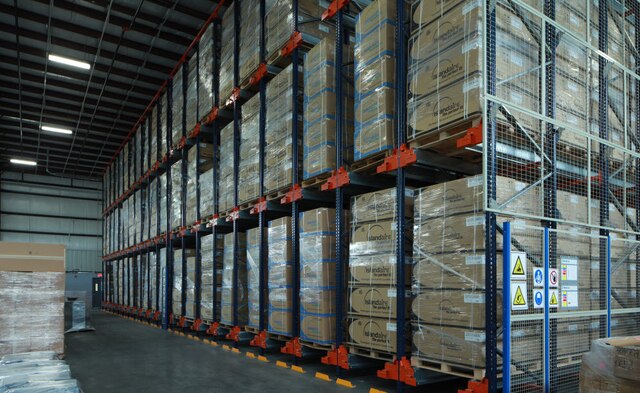
Interlake Mecalux Pallet Shuttle system maximizes storage capacity of Islandaire’s distribution center
Success story of Pallet Shuttle in Islandaire’s warehouse designed by Interlake Mecalux and other examples of storage systems. Read more
Mecalux powers Coca-Cola HBC’s beverage storage with Pallet Shuttle technology
Coca-Cola HBC has opened a new warehouse at its Knockmore Hill facility (Lisburn, Northern Ireland) featuring Mecalux’s Pallet Shuttle system to achieve high-density storage and improve efficiency. The semi-automated Pallet Shuttle offers direct access to 9,000 pallets, streamlining goods receipt and shipping via motorized shuttles and tablets. Read more

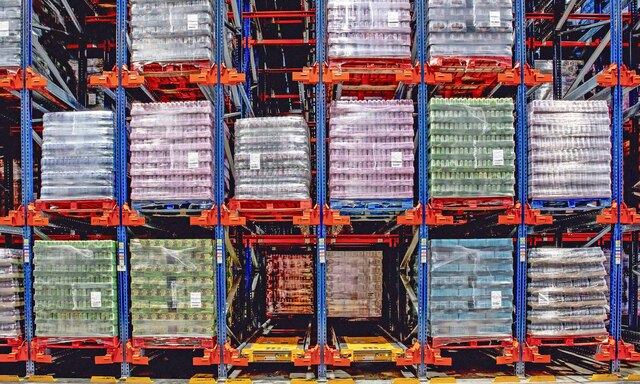
High-density storage for Bayer, a leading global agricultural company
Bayer, an international life sciences group whose core business is centered on healthcare and agriculture, has a warehouse in Trèbes, France. There, Bayer manages 12,000 tons of seeds a year for its Crop Science division with the semi-automated Pallet Shuttle system from Mecalux. Read more

Semi-automatic Pallet Shuttle at the Croix Rouge warehouse in France
Recently, Croix-Rouge insertion - Logistique has renovated one of its distribution centers in Pantin (France) with Mecalux's semi-automated Pallet Shuttle system. This installation can hold 2,322 pallets filled with staple products that can help countless families. Read more
Storage configurations with Pallet Shuttle racking
Exploring distribution options to optimize your company’s logistics needs
Selecting the most suitable distribution configuration will depend on various factors, including the size of your facility, the number of SKUs, the required storage capacity, the load management system, and the necessary flow of goods.
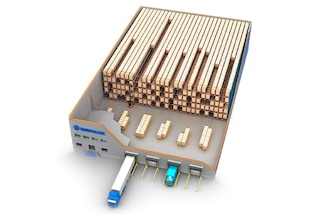
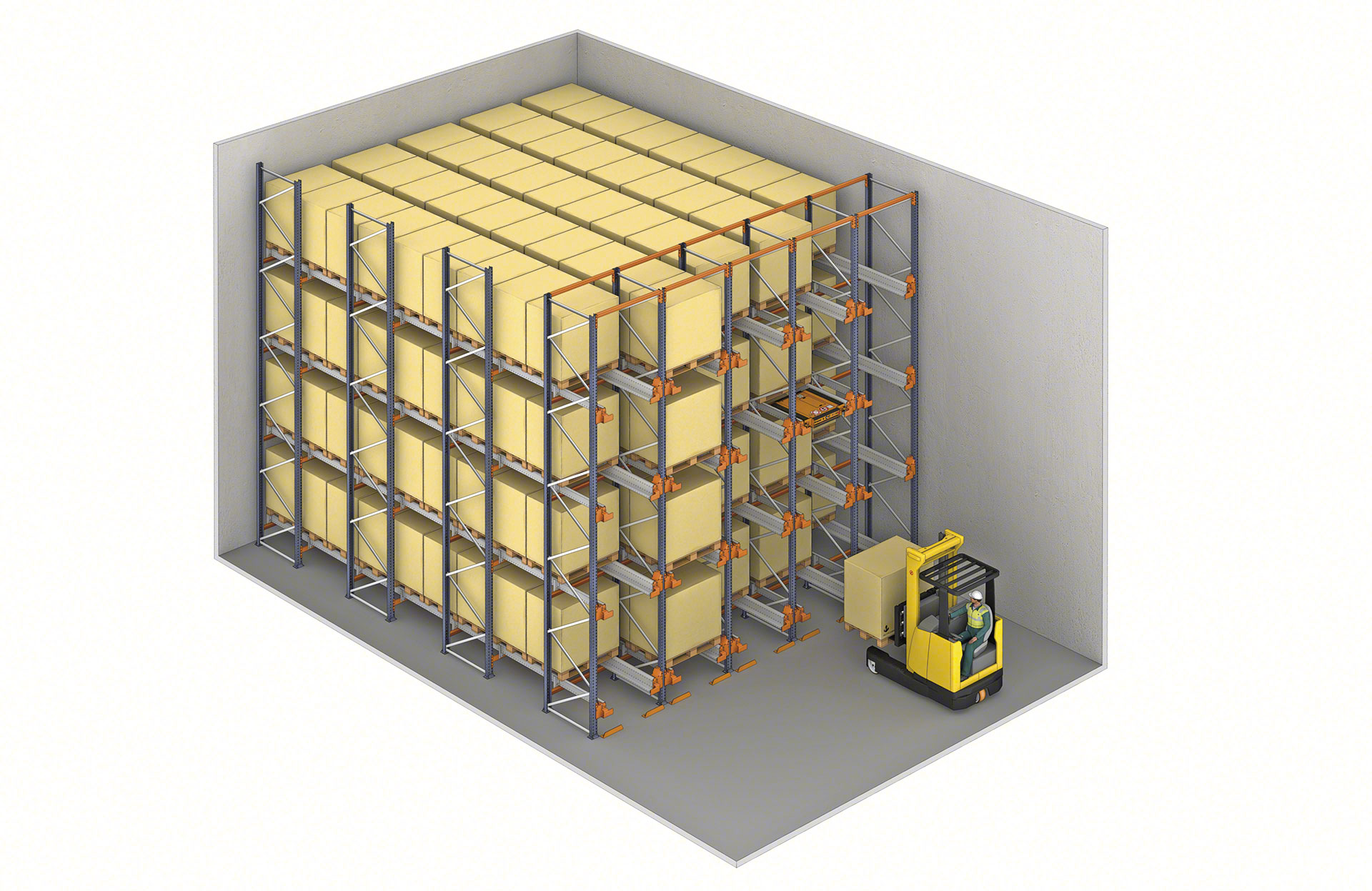
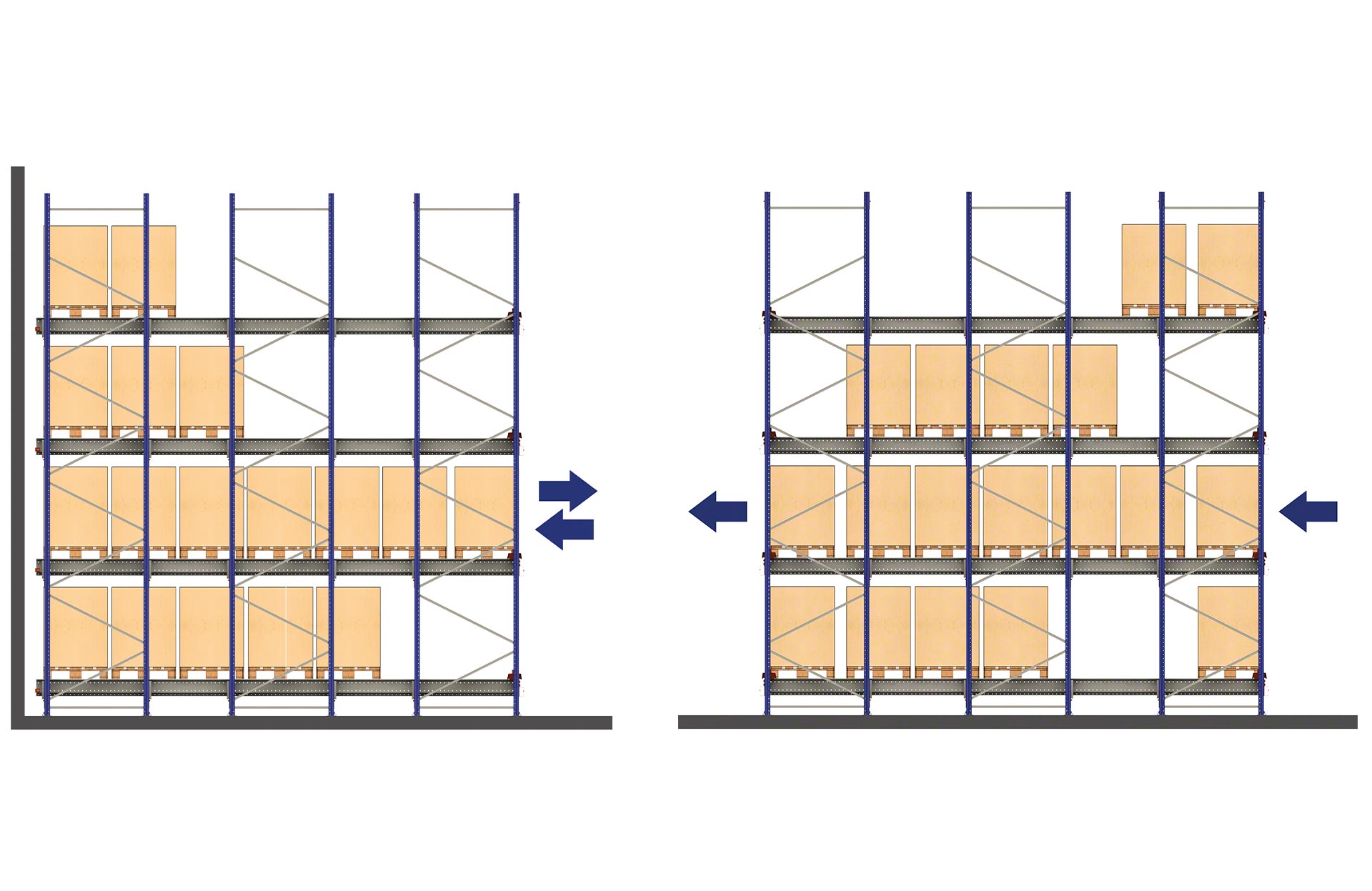
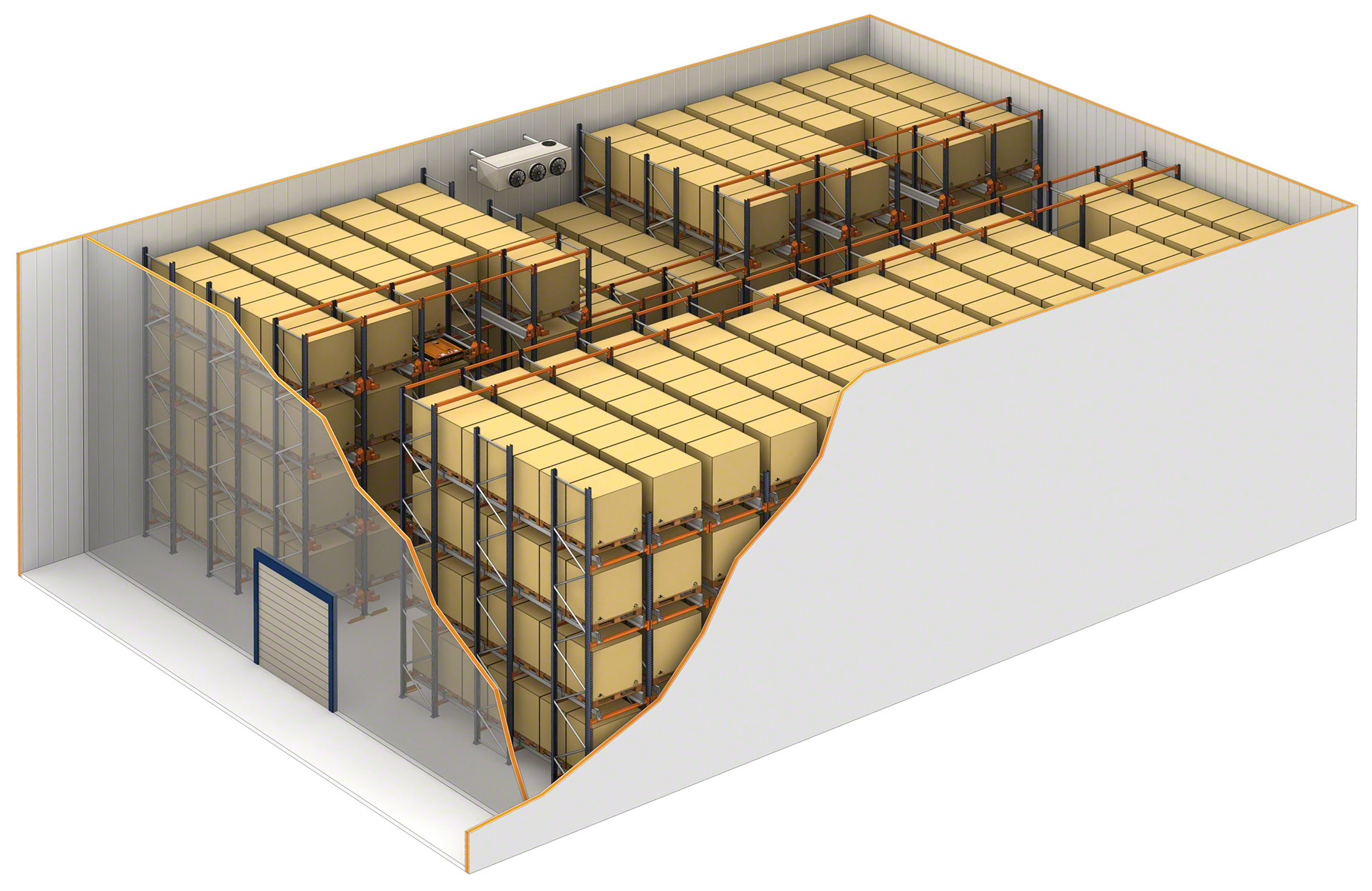
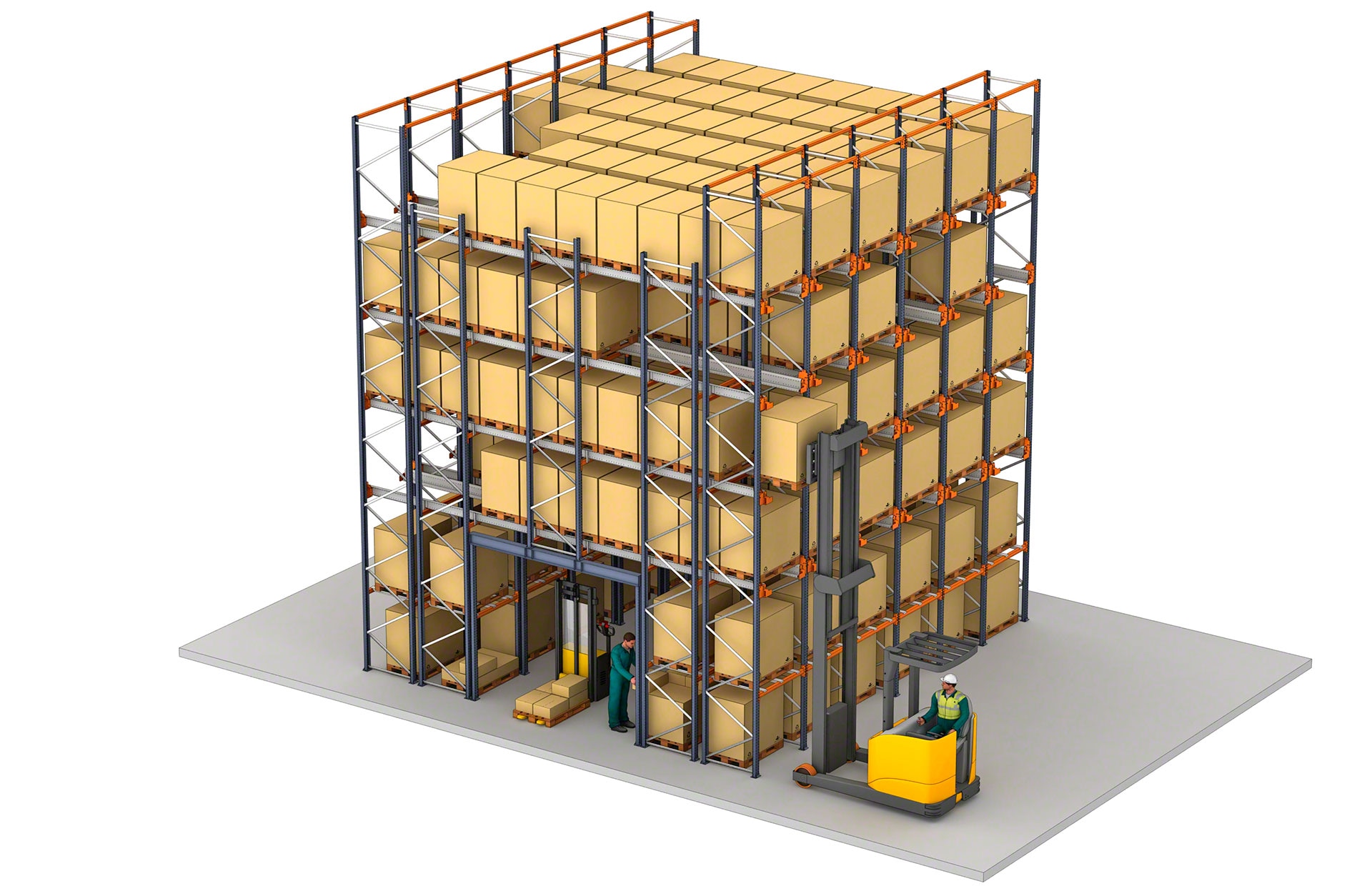
Storage solution with one aisle and one racking unit
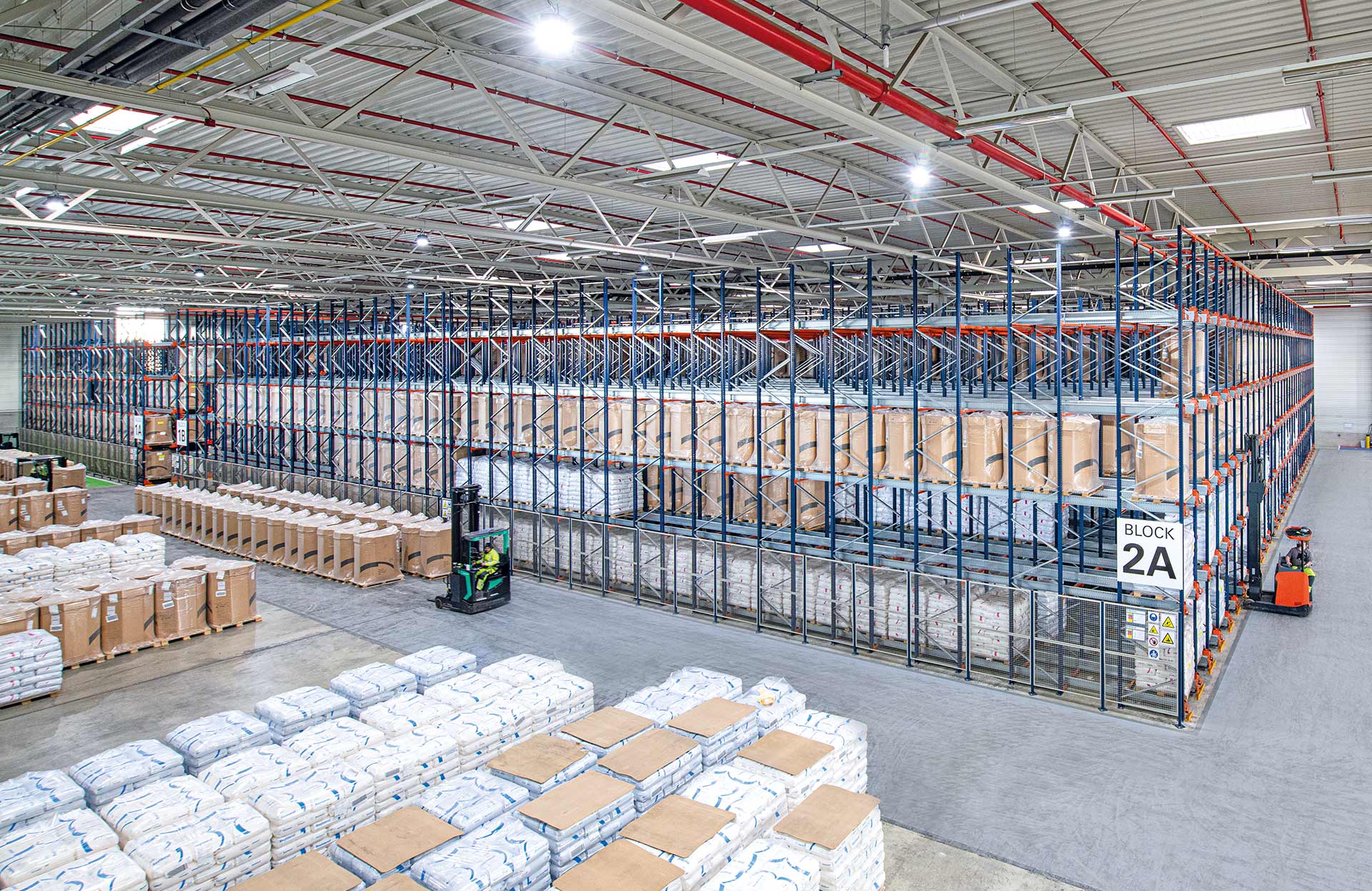
This storage system features a single racking unit equipped for shuttle use, along with a single access aisle at the front. The system operates using the last in, first out (LIFO) method, meaning that pallets are loaded and unloaded from the same side. This configuration is particularly effective for handling high volumes of pallets with a limited number of SKUs.
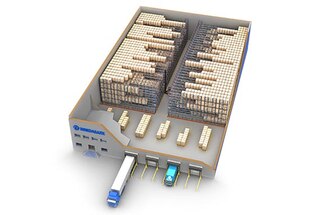
Storage solution with one aisle and two racking units
This storage system features two racking units separated by a working aisle. It also employs the last in, first out (LIFO) management method. This configuration provides a greater number of storage lanes, which are shallower than those in the previous setup, allowing for an increased variety of SKUs.
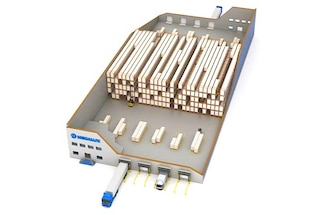
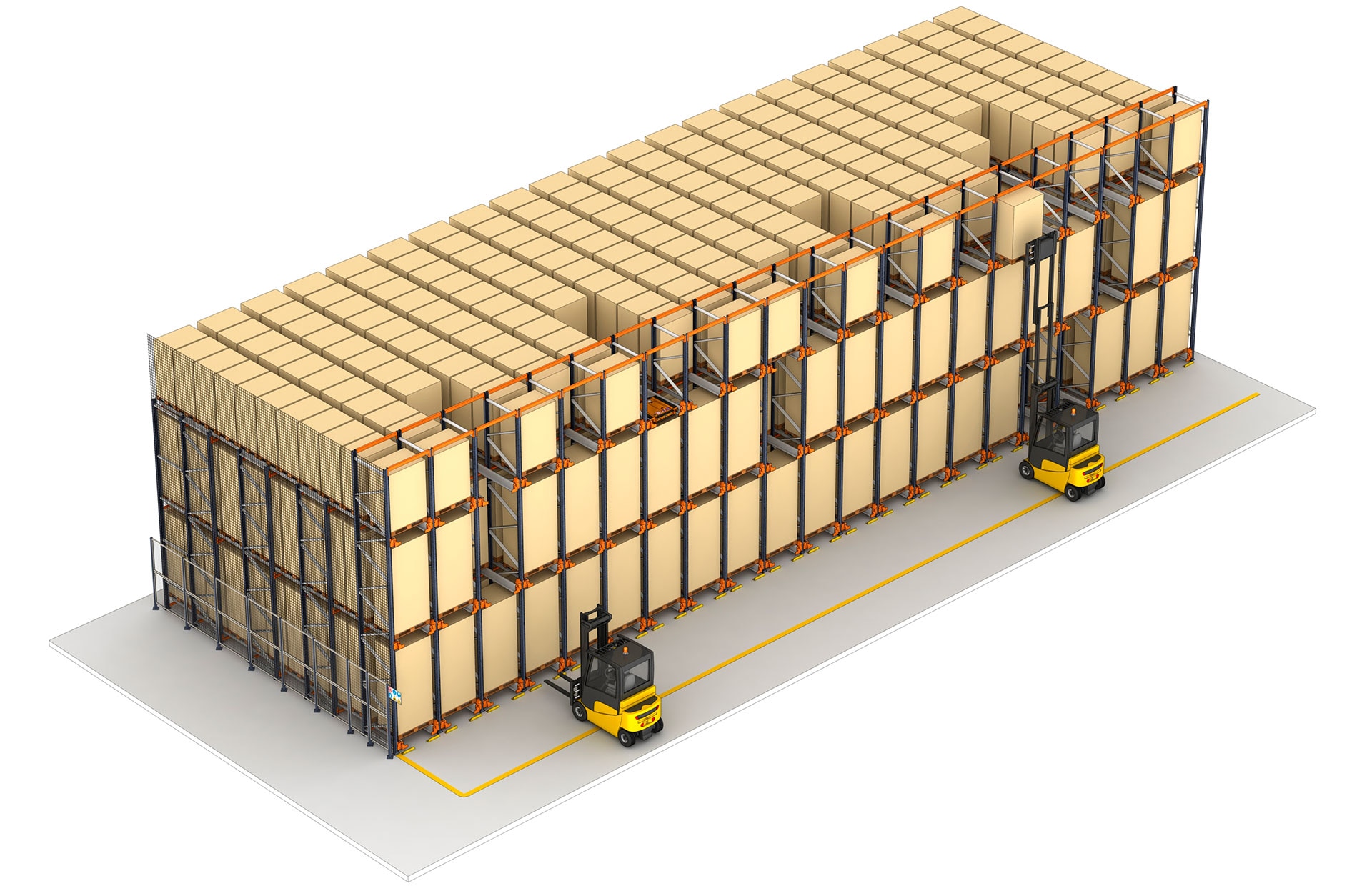
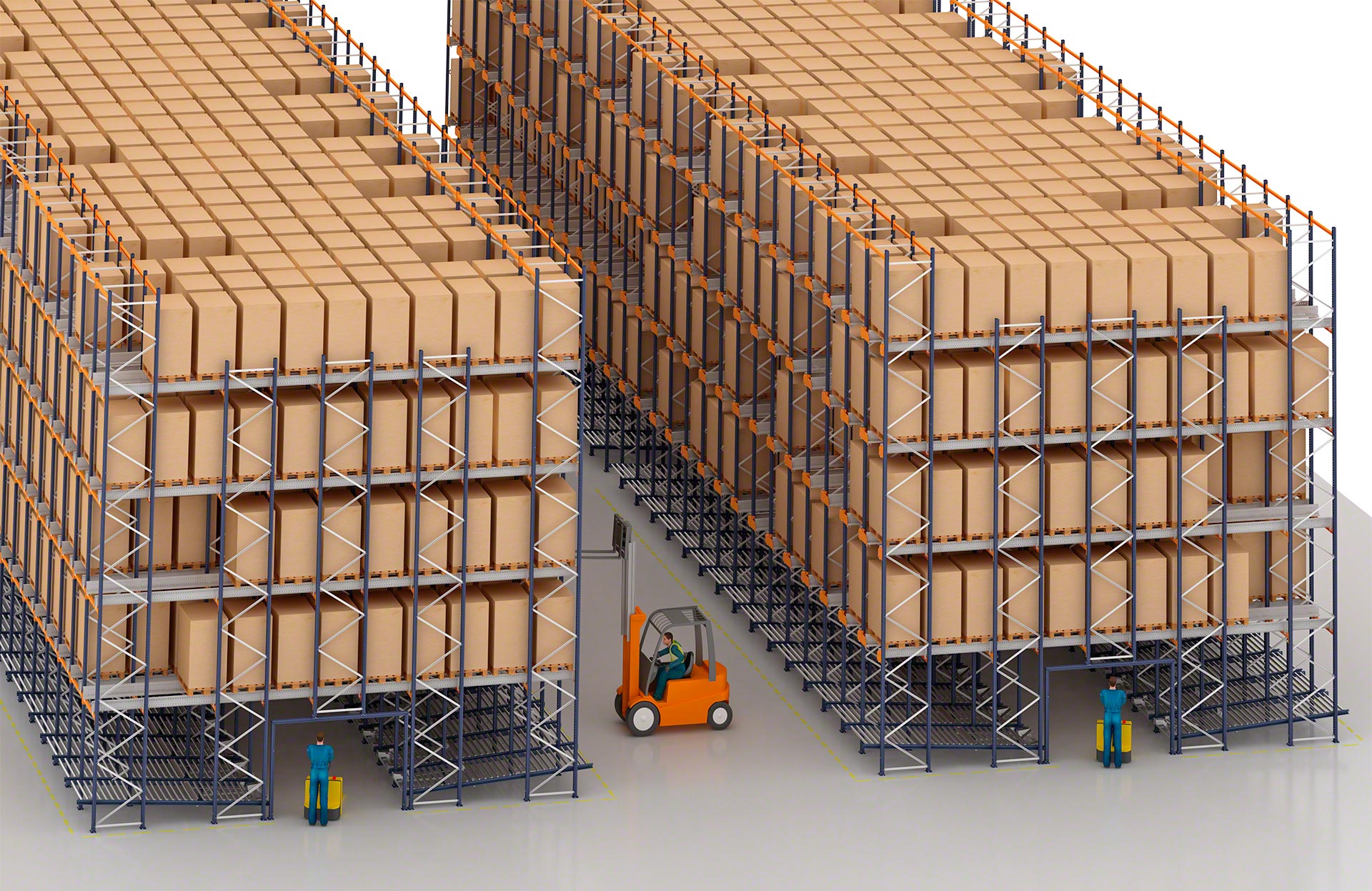
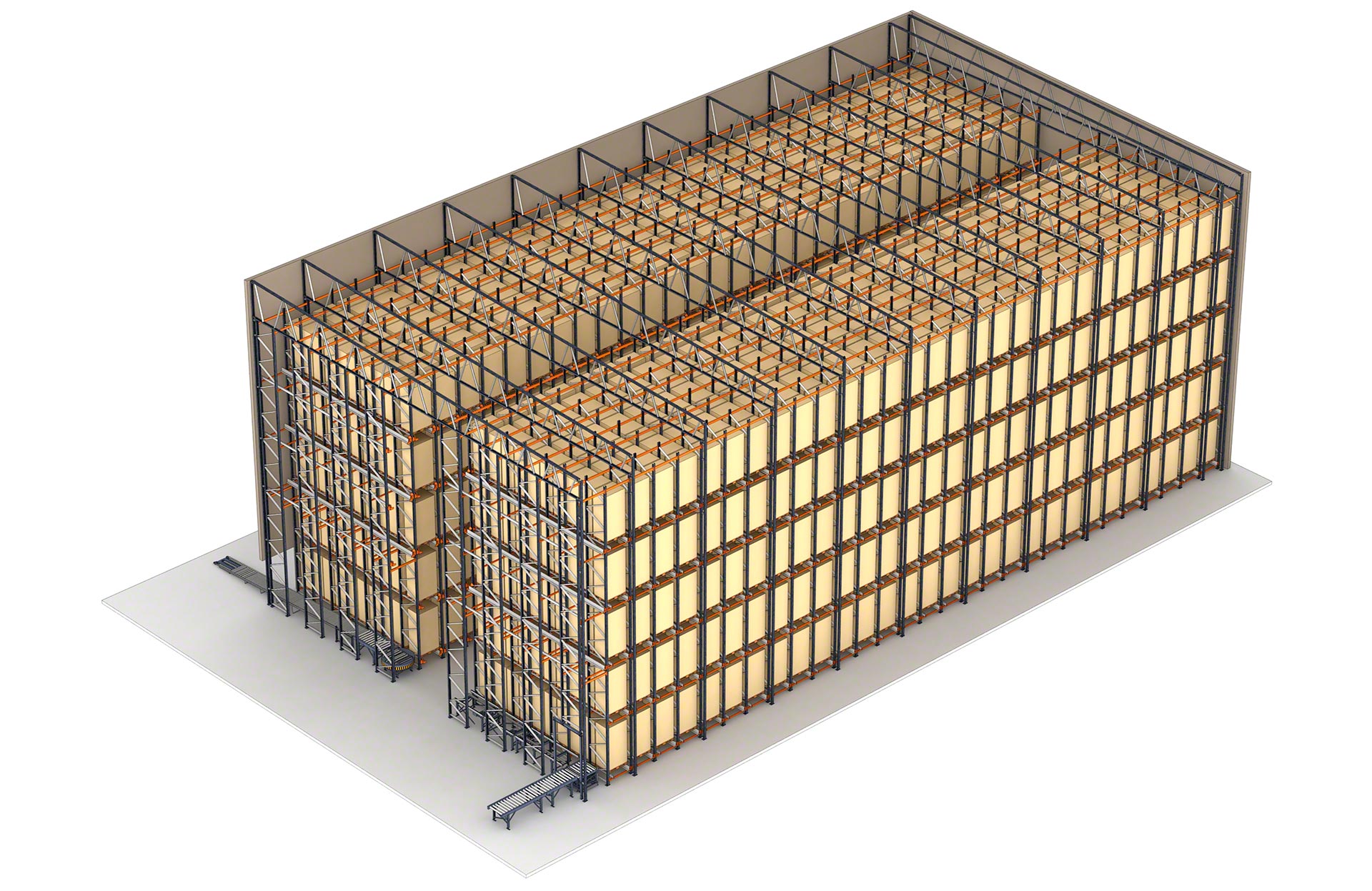
Storage solution with two access aisles
This storage system consists of a single racking unit with two access aisles — one for incoming goods and another for outgoing goods. This design facilitates the first in, first out (FIFO) management method. This configuration is ideal for use as a buffer, providing temporary storage for full loads with short retention times.
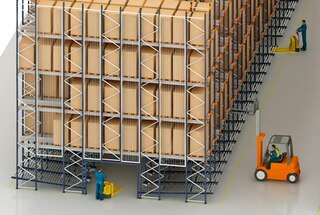
Storage solution with two access aisles and lower-level picking
This solution features a racking unit combined with levels of pallet flow racking designed for picking, with access aisles on each side. This configuration prioritizes picking efficiency over storage capacity. The higher racking levels are used to replenish the lower picking levels and facilitate full-pallet shipments.
Pallet Shuttle components
The Pallet Shuttle racking system consists of one or more shuttles, the racking unit in which the shuttle operates, a control tablet, and a series of safety elements that protect the integrity of the operators, the goods, and the structural assembly.
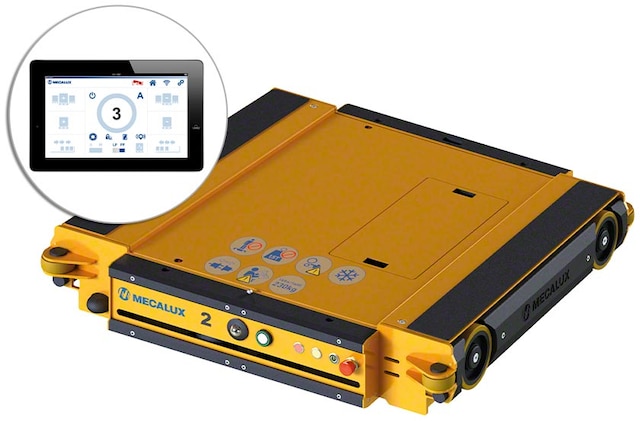
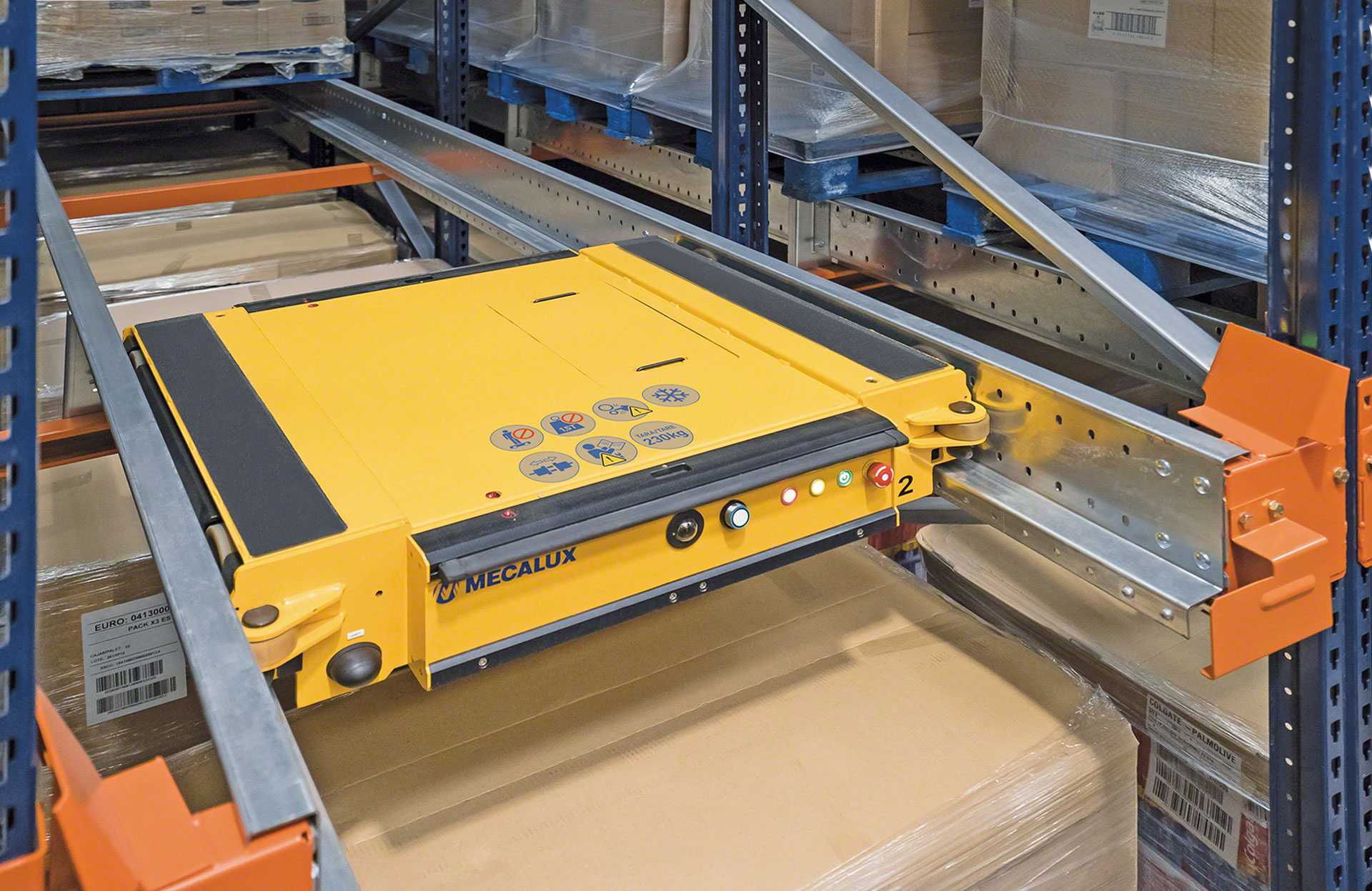
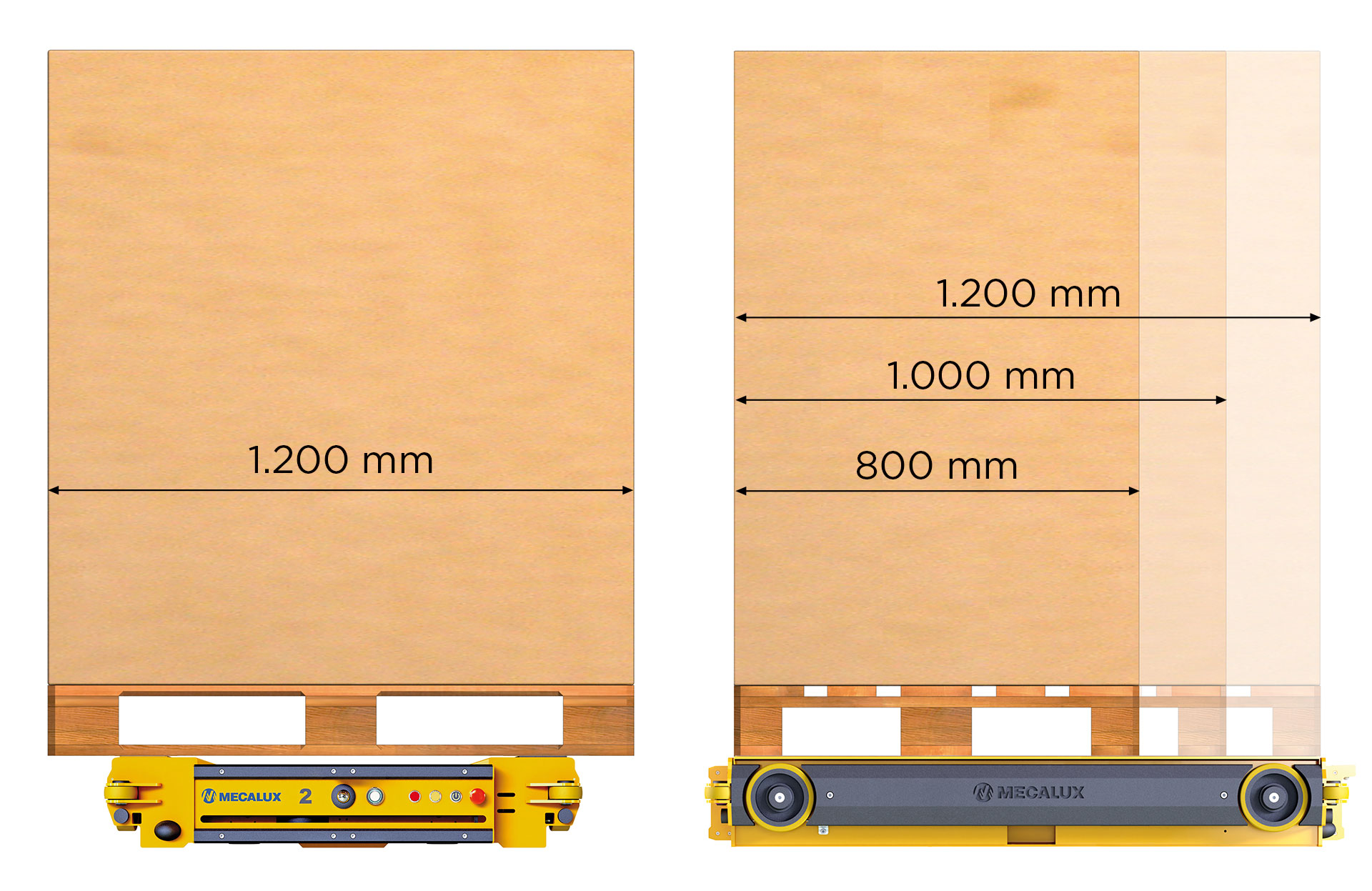
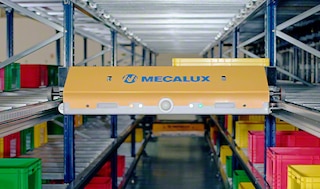
The Pallet Shuttle car is the core element of this storage solution. It moves mechanically and autonomously thanks to various electronic components (PLC, batteries, antennas, sensors, etc.). It also has a number of safety features to prevent incidents.
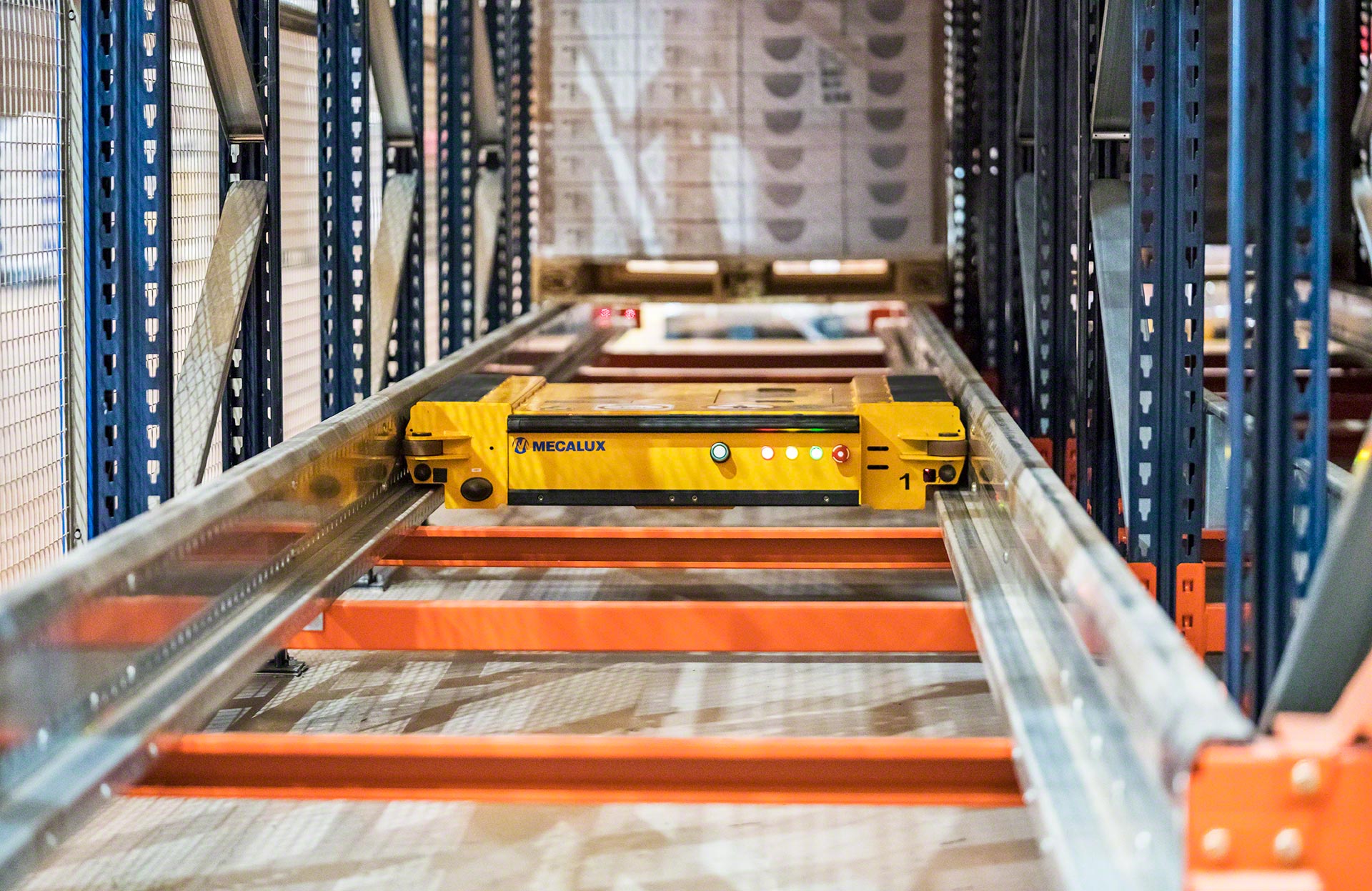
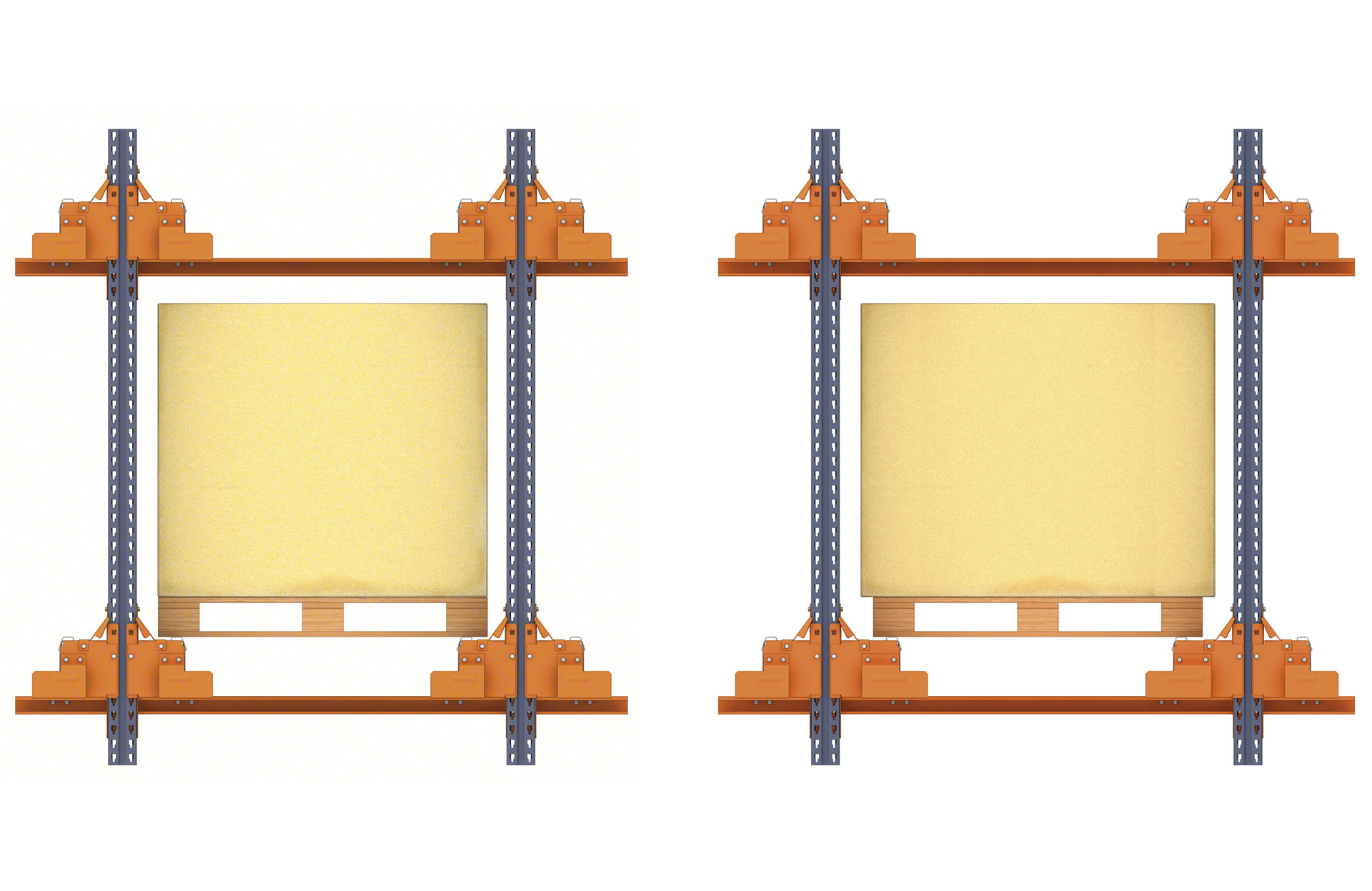
Shuttle racking is a high-density structure specially designed to ensure the safe, smooth movement of the shuttle inside it. It has a set of rails along which the shuttle moves and on which the pallets rest.
In addition to the various safety features incorporated in the car, the Interlake Mecalux Pallet Shuttle also has a set of accessories that help reinforce the safety of operators and goods and ensure compliance with regulations in force.
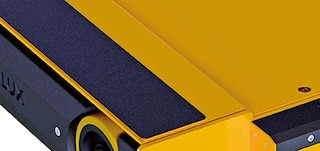
Lifting platform
Located on the top surface, it raises the pallet to transport it through the lane. Contact with the pallet is made on the lifting pads.
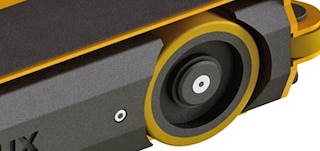
Wheels
The four main wheels rest on the base of the rails and enable the shuttle to run smoothly along the rails. They are located under the lifting platform.
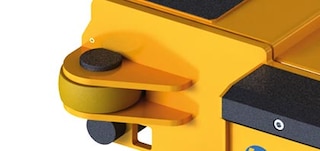
Contrast wheels
These small four wheels make contact with the side of the rail to guide the shuttle in the longitudinal direction. They ensure smooth, safe movement.
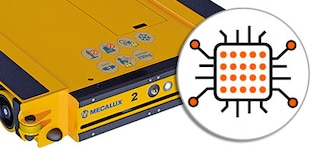
Onboard PLC
The programmable logic controller (PLC) is the primary processor of the Pallet Shuttle system. It controls the shuttle’s movements and processes information received from the sensors.
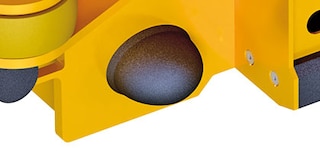
Antenna
This allows the shuttle to receive orders via Wi-Fi from the operator’s control tablet.
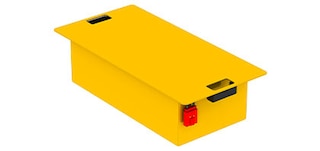
Battery
The shuttle operates on lithium batteries, offering up to 10 hours of autonomy at full capacity, depending on temperature and load conditions.

Battery compartment
The battery is stored in an easy-access compartment on the top of the shuttle for fast, simple removal. It can be recharged in the compartment itself or at an external station.
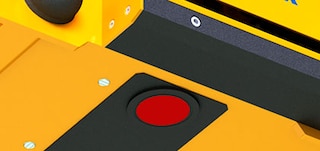
Shuttle/forklift locking system
Electromagnets located at the base of the pallet shuttle car secure it to the forklift forks, preventing it from moving during handling.
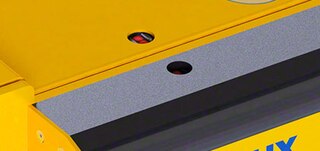
Onboard pallet detectors
Four vertical laser sensors located on the top of the shuttle help to ensure that the pallet is correctly positioned.
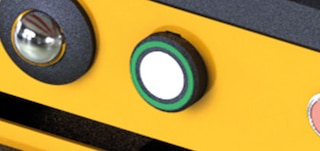
In-lane pallet detectors
Ultrasonic sensors that detect the position of the last pallet deposited in the lane.

End-of-lane sensors
Sensors that enable the shuttle to determine the distance until the end of the storage lane.
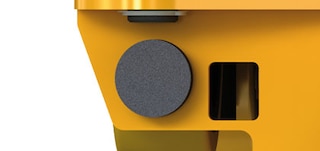
Shuttle stops
These are placed on the ends of the front of the shuttle to cushion contact with the racking at the end of the lane.
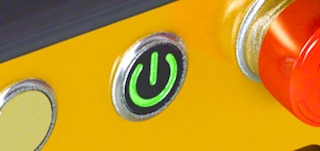
On/off switch
Push button to switch the shuttle on and off. It turns green when on and red when off.

Fault indicator
This communicates the status of the shuttle. A steady red light indicates that the equipment is ready for operation, while a flashing red light signals an error or malfunction.

Battery status indicator
This signals a low battery charge. When flashing, the battery needs to be replaced or recharged.
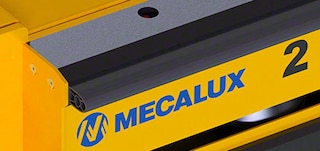
Safety bumper
Element located on the front and rear of the shuttle unit to prevent possible entrapment or crushing. It acts by cutting the power through simple contact.
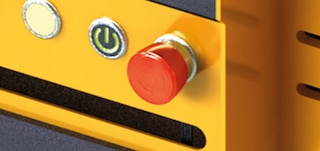
Emergency stop button
Button ensuring that the shuttle stops immediately. It is essential before carrying out any maintenance work.
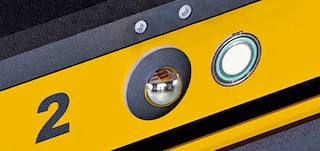
Positioning camera
Assists with inserting and aligning the shuttle in the storage lane. Extremely useful in high-bay pallet racking.

Safety scanner (optional)
Installed on either side of the shuttle for safer control over lane access while the car is in operation.
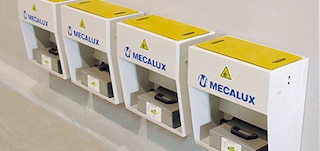
Charging station
Charging equipment that features an easy-to-use slide-in housing, allowing batteries to be securely snapped into place. It also includes a separate cable for charging the shuttle directly, without the need to remove the battery.
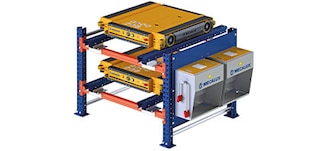
Charging rack
Independent of the storage racking, this structure is used to store shuttles while simultaneously charging their batteries. The battery can be charged either while installed in the shuttle or after being removed.
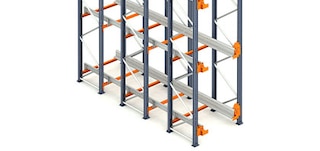
Beams and uprights
The shuttle racks consist of a framework of beams, uprights, and rails that form the storage lanes through which the shuttle moves and where pallets are stored.
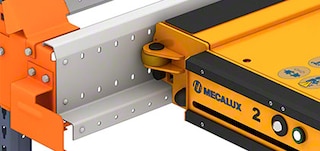
Rails
Each storage lane has a pair of rails with two support levels: a lower one, along which the shuttle runs, and an upper one on which the pallet rests.
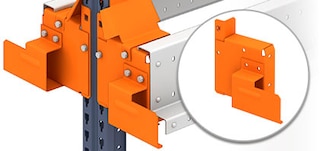
External rail supports
These secure the rails to the outer upright at the entrance/exit to each storage lane.
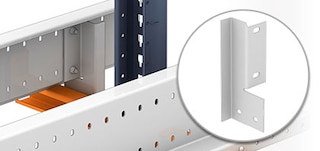
Internal rail supports
These secure the rails to the beams at all racking points except the lane entry/exit.
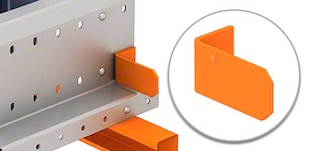
Rail end stops
Elements detected by the shuttle to slow and stop its movement in normal working conditions. They also serve as a reference point for the shuttle, as they indicate the end of each lane.
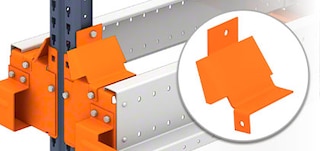
Pallet centralizers
Installed at storage lane entrance/exit points, these help position and align pallets.
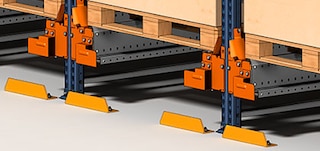
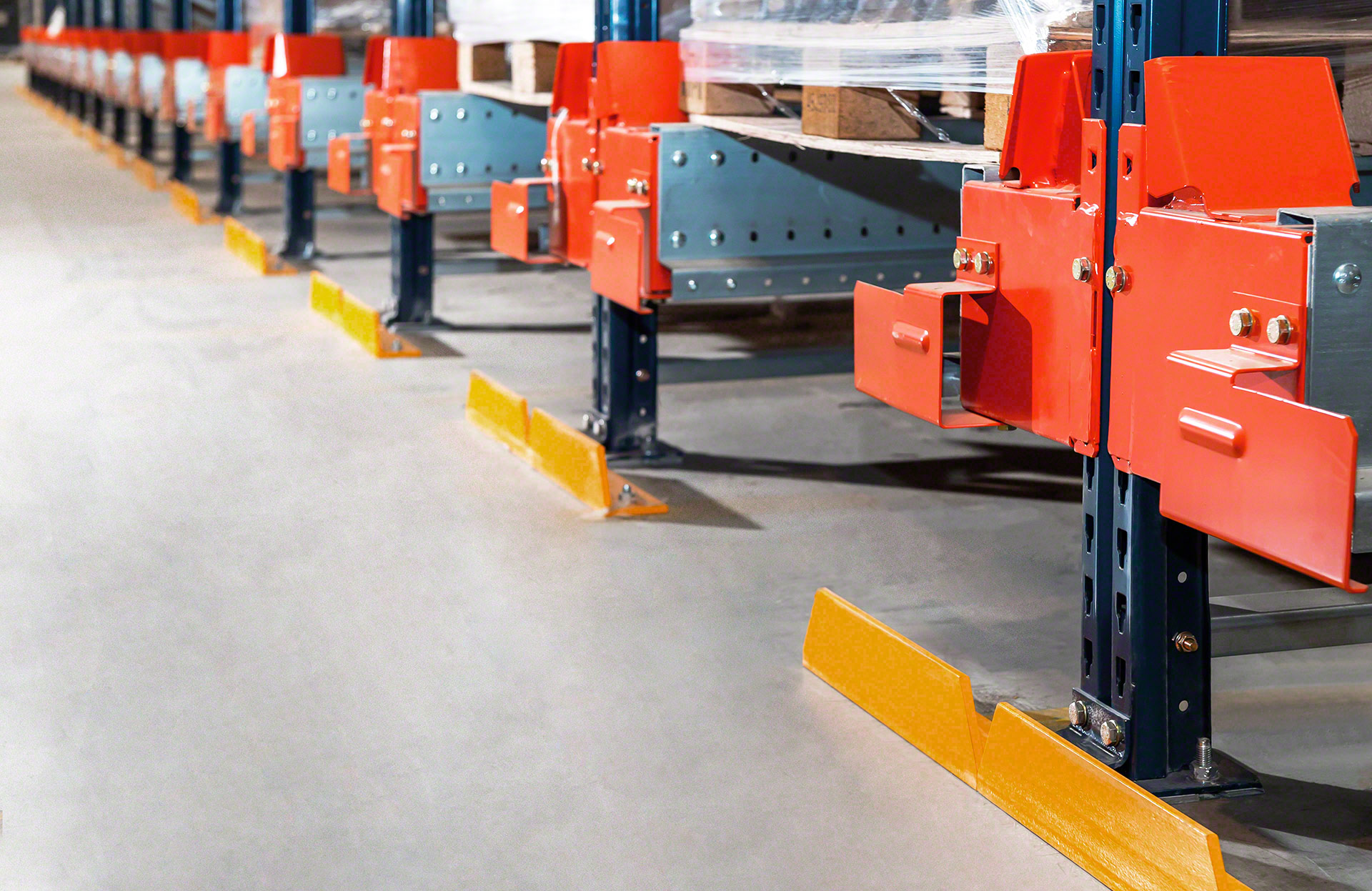
Floor-mounted protector
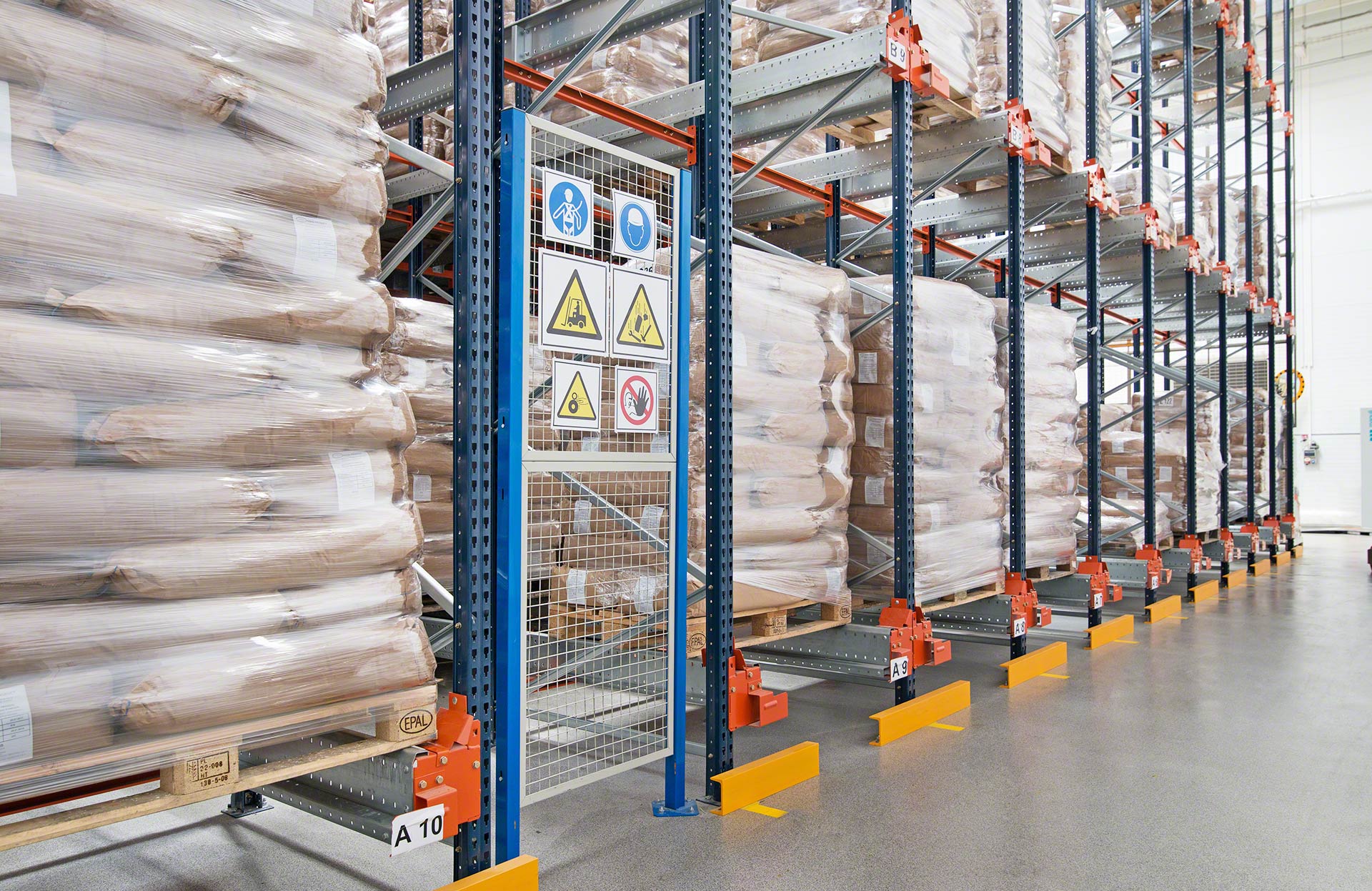
These guards indicate the maximum point a forklift operator can reach, helping to prevent collisions with the racking system.
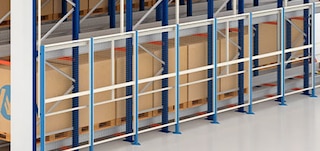
Safety fences
These must be installed in all open areas where storage lanes are accessible, except at the front of the system where the lanes face the working aisle. This ensures protection around the racking system.
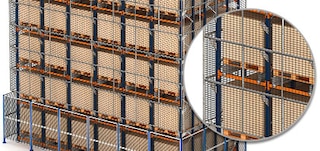
Safety mesh
This must be installed along the full height of the racking in areas adjacent to passageways or workspaces where there is a risk of falling loads. The front of the racking, which faces the working aisle, is exempt from this requirement.
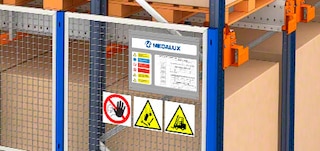
Signal plate and RMI signs
These alert operators to potential risks and provide important information about the storage system’s specifications, including load capacities and operational guidelines.
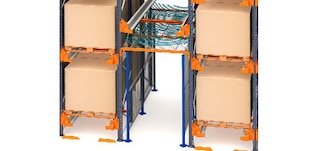
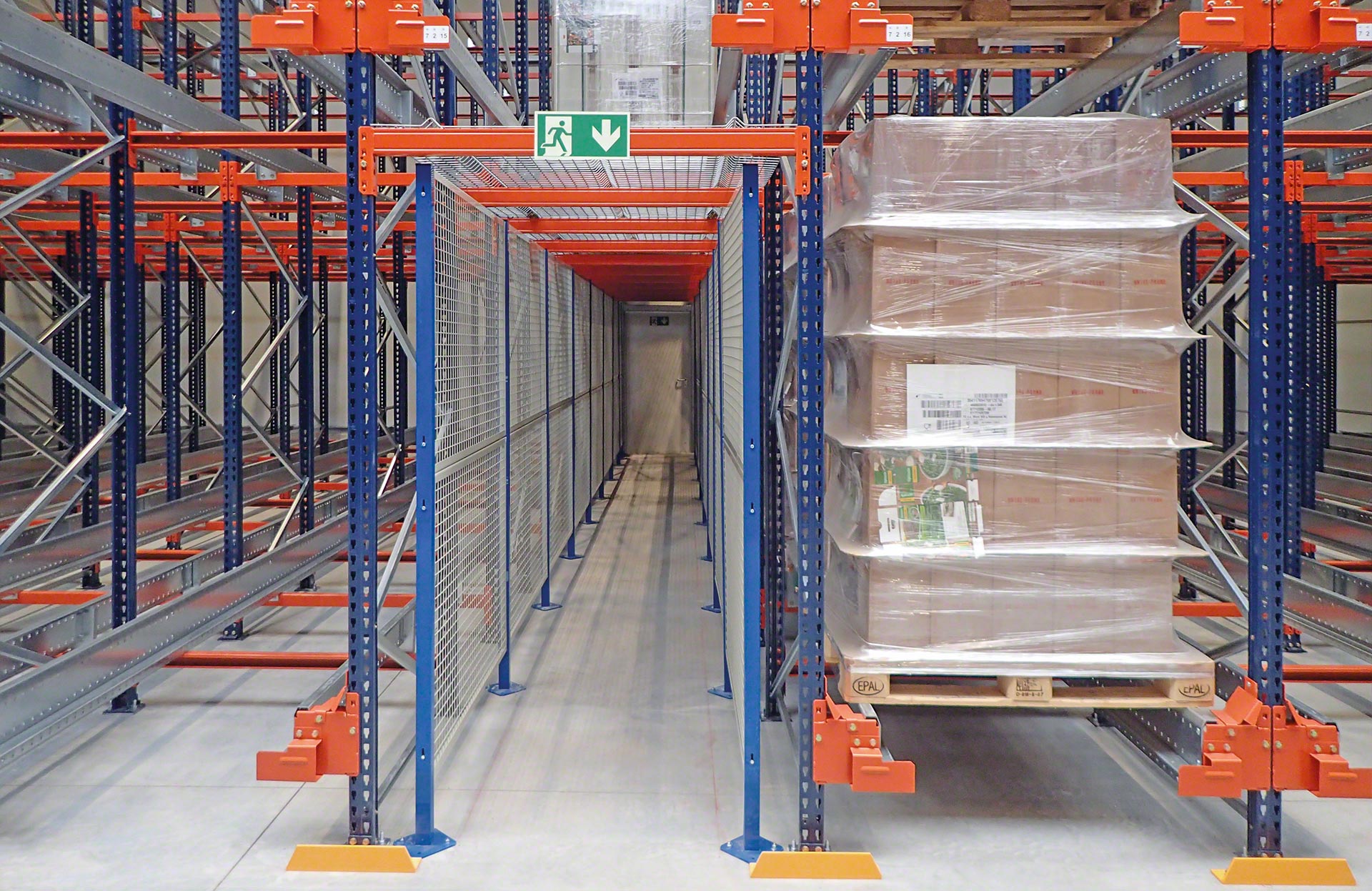
Pedestrian bay protection
When passageways for evacuation or maintenance are created beneath the racking, safety fence enclosures must be installed on both sides, and safety mesh should be installed at the top to ensure protection.
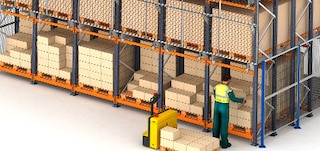
Protection for aisles with lower-level picking
Aisles designated for picking tasks at the lower levels of the racking must be equipped with mesh protection at the upper part to prevent objects from falling onto the operators.
Functionalities of the Pallet Shuttle system
High operational versatility thanks to a wide range of features
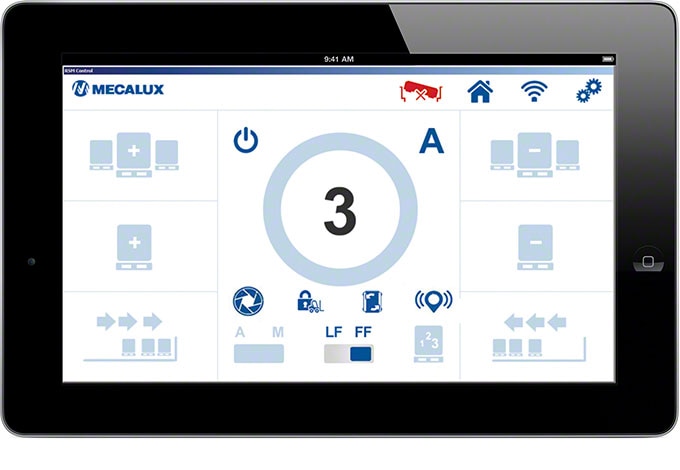
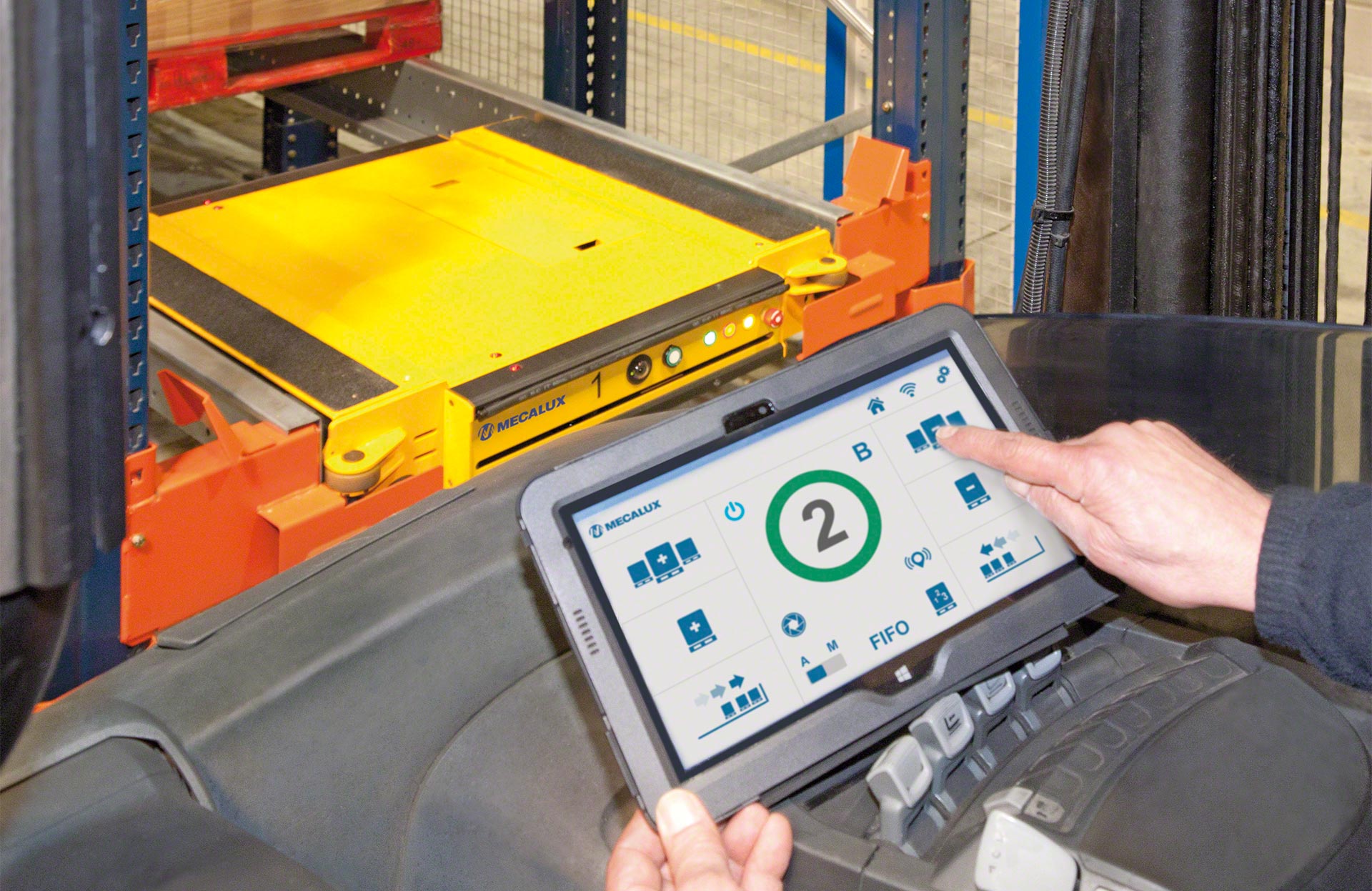
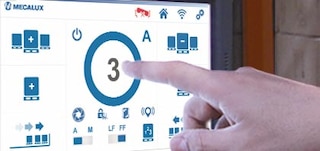
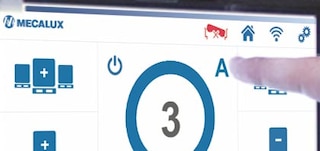
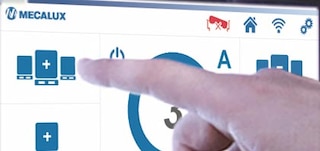
The Pallet Shuttle control system is responsible for issuing orders to the shuttle via a Wi-Fi-connected tablet controlled by the forklift operator. The software has a very intuitive and user-friendly interface, requiring no special training. All functions can be executed from the tablet, and the assignment actions are touch-based.
Shuttle indicator
Shows the identification number of the car in operation and its status.
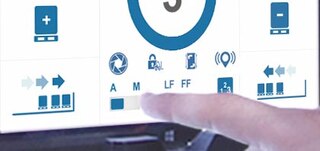
Operating mode selector
Allows you to choose the working mode: automatic or manual (for maintenance tasks).
Pallet selector
Used to choose the type of pallet to be handled.
Continuous loading/unloading
When this function is activated, the system performs the storage or retrieval operation continuously until the lane is completely loaded or unloaded.
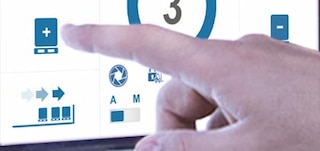
Partial loading/unloading
With this function, you can indicate in advance the exact number of pallets to be stored in or removed from the lane.
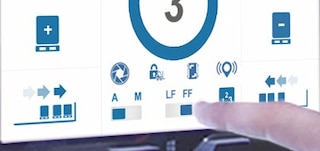
LIFO/FIFO configuration
Selection of the load management strategy: LIFO (one working aisle) or FIFO (two working aisles).
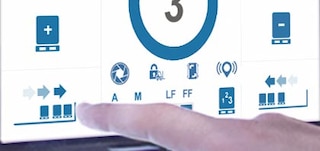
Space-saving high-density storage
If the lane is not unloaded completely, this function enables you to regroup all the pallets at the beginning of the lane (LIFO mode) or towards the end (FIFO mode) to save time on future retrieval maneuvers.
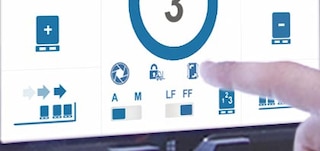
Change work aisle
Used to select the side of the racking you want to operate from (FIFO mode only).
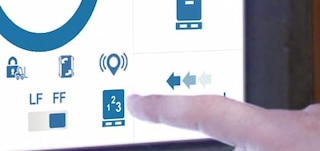
Pallet counter
Allows you to count the pallets stored in the lane.
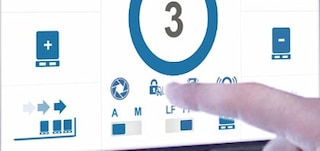
Locking system
Activates the electromagnets at the base of the shuttle, strengthening the connection between the car and the forklift forks.
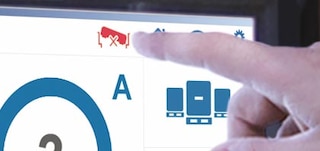
Tiltmeter
Triggers a warning when the shuttle has been inserted into the lane incorrectly. To solve this error, the shuttle must be repositioned in the lane.
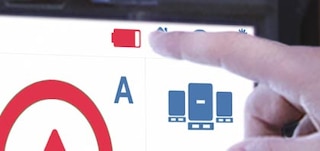
Low battery warning
Icon that warns the operator that the shuttle battery is about to run out.
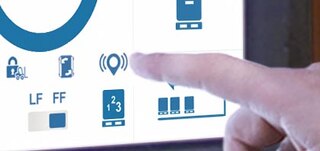
Location signal
Activates an audible signal to identify the car and locate its position. It emits a series of sounds while the fault light flashes.

Rescue
Makes it possible to recover a shuttle from inside the lane using a rescue shuttle in the event of a breakdown or total discharge of the battery.
FAQs
The Shuttle racking system is an advanced evolution of traditional high-density storage systems. Unlike drive-in racking, it allows each storage lane to hold different SKUs, increasing product variety. Forklifts do not enter the racking, improving safety and efficiency by reducing collision risks. Compared to push-back pallet racking or pallet flow racks, the Pallet Shuttle offers deeper lanes and makes better use of the facility’s height, respectively.
The Pallet Shuttle is a semi-automated system that allows for automatic movement within racking but requires an operator for tasks such as placing or removing the shuttle and retrieving pallets. For a fully automated solution, Interlake Mecalux offers the Automated Pallet Shuttle, where forklifts are replaced by stacker cranes or transfer cars. This system operates autonomously and is managed by a warehouse control system (WCS).
Interlake Mecalux’s Easy WMS warehouse management system includes the WMS & Pallet Shuttle Integration module, which enhances operational efficiency by allowing operators to control both the WMS and the Pallet Shuttle from a single interface. This integration simplifies tasks and accelerates workflow within the warehouse.
The shuttle platform lifts the pallet in approximately 2 seconds.


Ask an expert