


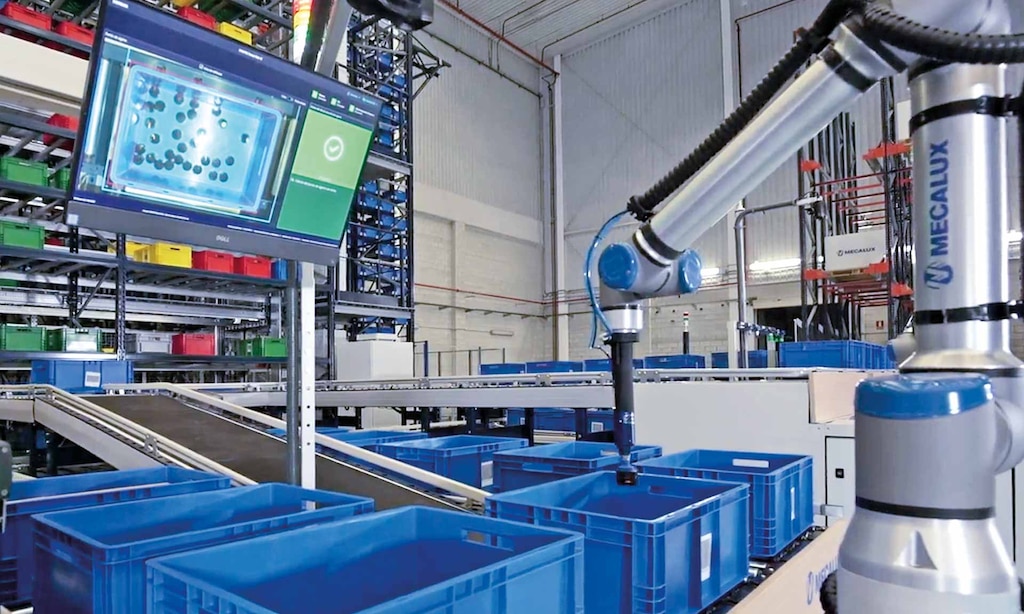
Collaborative sensing — the interaction between devices, sensors, and artificial intelligence (AI) systems — ranks among the 10 technologies with the greatest potential to transform industry and society in the coming years. This is reflected in a report from the World Economic Forum (WEF) and the publisher Frontiers, which reviews emerging technologies and their applications based on their novelty, impact, and depth.
Sensing devices are becoming ubiquitous in homes, vehicles, and workplaces. The WEF predicts that they will reshape how cities function and how organizations use data to make decisions. For instance, traffic lights could adjust dynamically based on cameras and environmental sensors, while mining sites could be mapped autonomously. Other applications include storm system analysis, drone swarm coordination, health monitoring, and precision agriculture and natural resource management.
Autonomous agents — such as robots, drones, intelligent vehicles, and computing systems — will be equipped to navigate dynamic environments and make collective decisions. Collaborative sensing could strengthen urban resilience, supply chain performance, and emergency response capabilities by enabling real-time reactions to changing conditions.
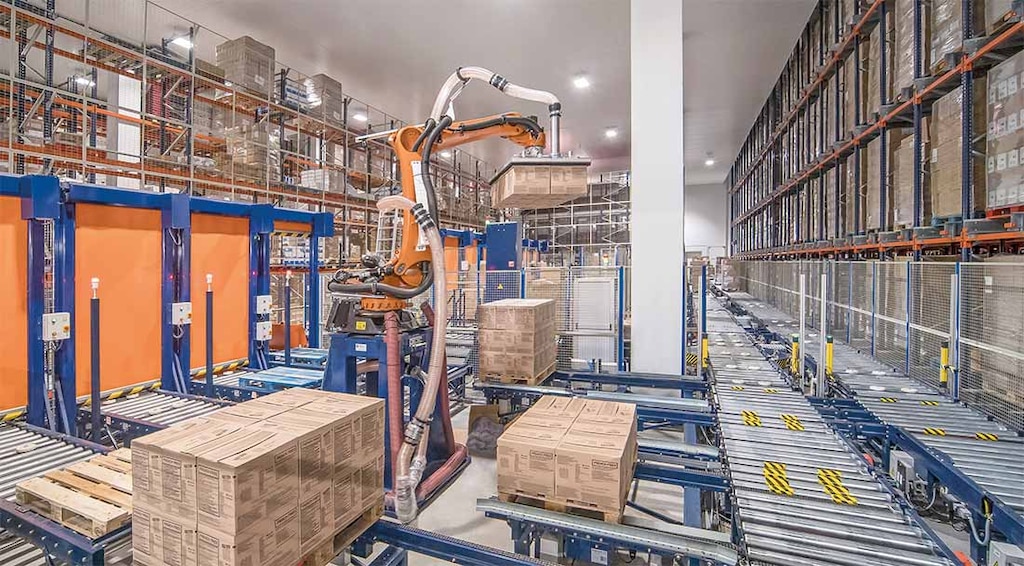
Telecommunications infrastructure
Large-scale adoption of collaborative sensing, however, still faces challenges. A key barrier is expanding telecommunications infrastructure, as only 55% of the global population currently has access to 5G. According to the WEF, the next decade will be pivotal for the development of these systems.
In addition to collaborative sensing, other high-impact innovations on the WEF’s list include structural battery composites, osmotic energy systems, advanced nuclear technologies, engineered-living therapeutics, GLP-1s for neurodegenerative diseases, autonomous biochemical sensing, green nitrogen fixation, nanozymes, and generative watermarking.