




AI-powered slotting optimization algorithm
“The slotting optimization algorithm will improve efficiency in high-demand warehouses”
About the research project
In logistics facilities with high product turnover, deciding where to store each item and when to relocate it can make the difference between efficient operations and bottlenecks. The MIT Intelligent Logistics Systems Lab and Mecalux are developing an AI-powered slotting solution that enables warehouses to adapt instantly to changing demand.
Selene Silvestri and Sarah Schaumann, Research Scientists at the MIT Center for Transportation & Logistics (CTL), explain how this joint project will help companies streamline operations, reduce costs, and respond more effectively to market volatility.
-
What is the project you’re working on, and what is its primary objective?
Selene Silvestri: Our goal is to improve warehouse slotting. Simply put, we want to determine when and where products should be repositioned within a facility in response to changes in demand or operating conditions.
The system learns from data, supports decision-making, and provides clear insights into why products are assigned to specific locations and why they are moved
-
What benefits can this AI-powered solution bring to warehouse operations?
Sarah Schaumann: The slotting optimization algorithm aims to lower order fulfillment costs, shorten order processing times, and reduce picking routes for both warehouse associates and robots. The technology we’re developing learns from data, supports decision-making, and provides clear insights into why products are assigned to specific locations and why they are moved.
From a management perspective, incorporating machine learning and generative AI will change the way warehouses are operated. It will also improve cost-effectiveness, as smarter slotting boosts productivity, lowers inventory levels, and delivers a stronger return on investment.
-
How does machine learning help optimize warehouse slotting?
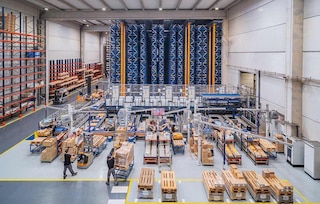
Our idea is to develop a hybrid model that combines operations research with machine learning methods to leverage the power of both worlds Selene Silvestri: One of the key applications of machine learning is product clustering. By analyzing historical order data, machine learning techniques can identify which SKUs are frequently ordered together. The algorithm then places related products closer to one another, minimizing picker travel distances. The system also accounts for potential warehouse congestion. Slotting decisions that are likely to create bottlenecks or concentrate too many associates in the same area are penalized, promoting a smoother workflow.
-
How will AI streamline pallet storage allocation?
Sarah Schaumann: Traditional methods often struggle to adapt to changing conditions, seasonality, and order variability. Our idea is to develop a hybrid model that combines operations research with machine learning methods to leverage the power of both worlds. These techniques make it possible to identify patterns in warehouse data that traditional optimization methods struggle to detect. Ultimately, the new slotting optimization algorithm will improve operational efficiency in high-demand warehouses.